The Grace That Makes Us Genuine
If God chose only those who were already genuine, would we be chosen? His grace calls unfinished people and patiently leads us towards what is true.

Scripture (Proverbs 17:3 · WEB) · Read the passage
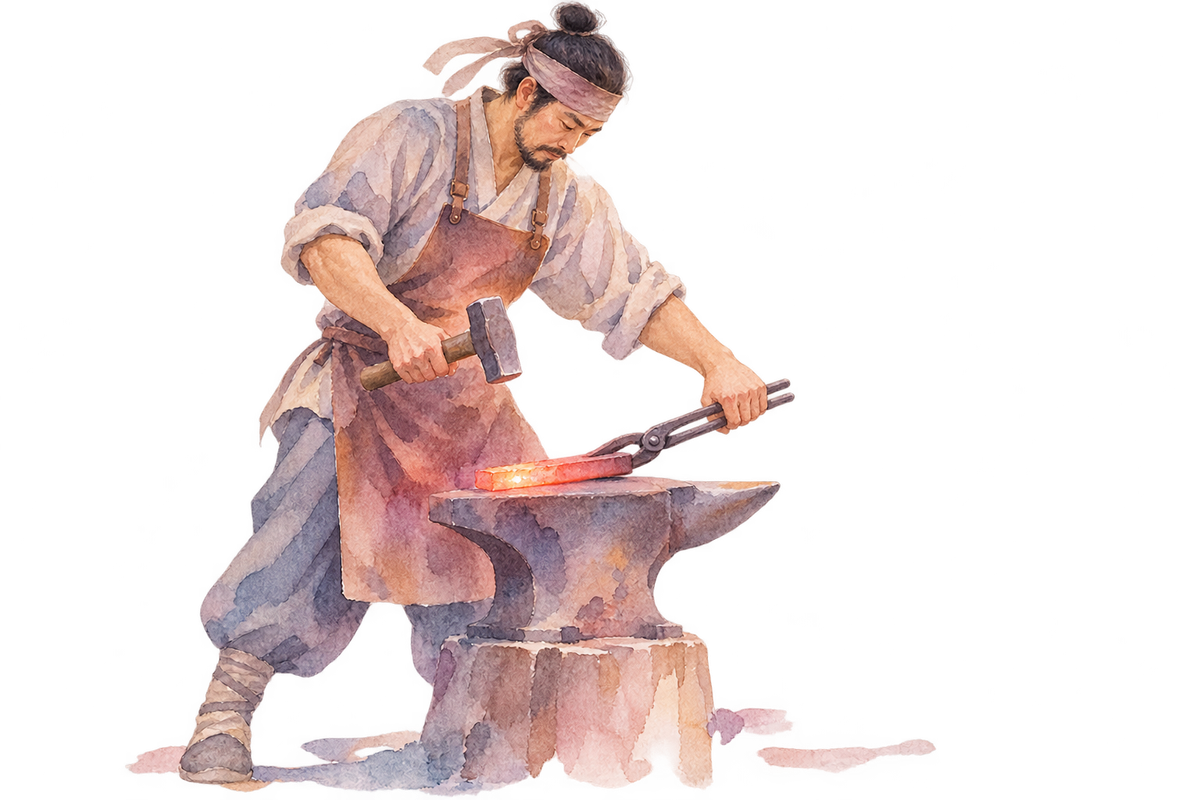
The refining pot is for silver, and the furnace for gold,
but Yahweh tests the hearts.
Something That Takes Time
Proverbs 17:3 is a familiar verse. A refining pot is for silver and a furnace for gold, but God tests the human heart. As we prepare our hearts for a new year, this verse helps us understand the direction in which God is leading us. Let us begin with the word translated as “refines” or “tests”.1
When we think of refining, we may picture something being hammered and worked into something better. Yet this verse also speaks of examining something to discover whether it is genuine. The Hebrew verb בָּחַן (bāḥan, to examine or test) brings that meaning into focus: God examines the truth of my heart.2 Alongside the work of changing us, there is the revealing of what is in us now.
Think of Abraham. God knows everything. Yet Scripture also describes God as wanting to know a person’s heart. He knows, and still he seems curious. What an intriguing paradox.3
Abraham was seventy-five when God called him. The journey that begins in Genesis 12 continues into Genesis 22. By then Isaac has grown, and many years have passed. Yet through the Lord’s angel, God says that he now knows Abraham fears him.4
“I can size someone up at a glance.” “Give me three sentences with someone and I can tell you exactly what they’re like.” Do you have that gift? What wonderful instincts. Congratulations. But after walking with Abraham for so long, God says, “Now I know.” How different that is from our rush to judge people.5
When we read this proverb, we may think, “My suffering will refine me, and I will come out like pure gold.” There is hope in that. But first, let us notice that what is genuine in our hearts is being brought to light. Like the fire that reveals the quality of gold, there are times when the truth of our lives becomes visible.6
The Winter That Leaves What Is Genuine
I love the Korean winter. I once lived in a mountain valley. Not simply on a mountain—in a valley. You know what those winds are like, don’t you? In winter you learn about them with your whole body.
Yet there is a reason I love that season. Winter seems to distinguish what can fall away from what must stay alive. In the valley where I lived, the silver poplars lost their leaves. At first glance, the bare trees could look rather bleak. But look closely, and there are small buds on the branches. That is how the tree carries its life through winter and prepares for spring.7
When spring begins to stir, pale green shoots emerge. Their colour is extraordinary. “It’s alive!” That is what they seem to say. Alive. When I see that, I think about the times in our own lives when we discover what we truly need to keep, and what we can let go.
Aren’t you curious too? Wouldn’t you like to know what is genuine in your life, and what is only appearance? We are so interested in discovering the truth about other people’s hearts. Let us turn that question towards ourselves as well.
God’s Patience
Listen to people who are dating, and you will hear this question: “Does this person really love me?” Sometimes they set little traps. “If they won’t do this, perhaps they don’t love me.” They want to know whether the other person’s heart is genuine.8
If we decide that someone’s affection was false, we may bring the relationship to an end. “There’s no reason to meet again. The sooner we finish this, the better.” But there is something different in the way God deals with us. He does not immediately discard us because there is something false or unfinished in us. He keeps taking us with him towards what is true.9
Was Abraham’s faith fully formed when God first called him? No. We know his story. Yet God continued to walk with him. He led Abraham all the way to that moment in Genesis 22 when his reverence for God became visible.
The same is true for us. When God examines our hearts, how much might he find that falls short? Still, he does not give up on us. He continues to make us genuine. He is not saying, “If you are not genuine, I will throw you away.” He is saying that he will stay with us until we become so. That gives us every reason to be thankful.
We Become Genuine as We Bear with One Another
If we are God’s people who have received that grace, if we are disciples learning to become like Jesus, we must not readily surrender our hope for people. We stay beside those who are still unfinished, bearing with them as they grow towards a life blessed by God. This reaches beyond an individual relationship. It matters deeply to our whole community.10
At this time, Korean society is caught in deep anxiety. People with profoundly different views live within the same boundaries. Yet we increasingly hear, “We have to finish the other side off.” We are told that we cannot live together. Some Christians speak that way too.11
Why must one side be finished off? We need to bear with one another. Even within a single family, people think differently. Yet we must find a way to live together, mustn’t we? We seek that way because we see something more precious than ideology or opinion: the worth of a human soul.12
Agreement is not the only thing that can hold us together. Let us remember how long God has patiently led us. Remembering that grace, we must learn patience towards other people again. Let us lay aside the habit of readily discarding people, and ask for the character to walk with them towards what is true.13
God’s Love, God’s Training
Let us turn to Deuteronomy 8. Before the people of Israel cross the Jordan, Moses tells them again about the road they have travelled. He looks back over their wilderness years and helps them consider what that journey means. Verses 2 to 6 say:14
Further Scripture (Deuteronomy 8:2–6 · WEB) · Read the passage
You shall remember all the way which Yahweh your God has led you these forty years in the wilderness, that he might humble you, to test you, to know what was in your heart, whether you would keep his commandments or not.
He humbled you, allowed you to be hungry, and fed you with manna, which you didn’t know, neither did your fathers know, that he might teach you that man does not live by bread only, but man lives by every word that proceeds out of Yahweh’s mouth.
Your clothing didn’t grow old on you, neither did your foot swell, these forty years. You shall consider in your heart that as a man disciplines his son, so Yahweh your God disciplines you. You shall keep the commandments of Yahweh your God, to walk in his ways, and to fear him.
Israel faced many hardships in the wilderness. They even said, “Let us go back to Egypt.” Along the way, what was in their hearts came to light. Moses invites them to remember those years as God’s training. They were learning that life depends on God’s word, not on food alone.15
The people of Israel disappointed God again and again. Even so, God continued his covenant relationship with them. He led them towards hearts humble enough to listen to his voice and lives that followed his ways. I believe this shows us the way God looks at us, and the heart he has for us.16
If we had to take the test right now, how many of us would pass? Yet God keeps holding us and leading us, training our hearts. Does he do this simply because he enjoys teaching and training? No. There is a life he has prepared for us. He is leading us so that we can live there as people able to bear the blessings he gives.17
Dear friends, let us trust the God who will continue to train us this year. Let us thank him for leading us towards what is true, even though we have not yet arrived. Remembering the grace with which he patiently leads us, let us also learn to bear with other people.
We are not to live with the intention of throwing away everything that is not yet genuine. Nor are we to say that it is fine to remain as we are. We walk together towards what is true. Though we are unfinished now, let us look towards the day when we grow into greater truth before God. May we become his people who patiently stay with one another along the way.
Prayer
God, thank you for refusing to give up on us and for training us even while we are still unfinished. If there is anything beautiful in us, it comes from the grace with which you have patiently loved us. Lord, you led Abraham and held on to sinners. We trust you to lead us towards what is true as well. When we have no confidence in ourselves, you are our hope.
Whatever comes this year, help us first to see the warmth of your heart as you lead us into truth. In cold and painful circumstances, do not let discouragement and anxiety become our whole horizon. Open our eyes to see your good guidance even there. Help us live the time you give us within the love that makes us more steadfast.
As you have walked with us, help us not to give up on people readily. Instead of the habit of discarding someone because they are not yet genuine, give us the habit of walking together towards truth. Grant us that patience. This year, form in us a character whose patience with people does not run dry.
We pray for Korea, our homeland, where people with different views live together. Give us the time and patience to look at one another, and to recognise the precious soul in each person. Holy Spirit, tenderly touch hearts that have become hard, broken or sharp. Help us keep imagining a life we can share.18
Help those who govern to see the people with their hearts. Let them recognise the weight of the power entrusted to them, so that they do not treat anyone carelessly.19 Meet us again today as we pray. We ask this in Jesus’ name. Amen.
Abstract
This sermon draws on Proverbs 17:3 and Deuteronomy 8:2–6 to describe the patience of God, who tests the heart while continuing to lead people towards genuineness. Abraham’s journey, the winter life of a silver poplar, the desire to test love’s sincerity and Israel’s wilderness training connect the discernment of truth with the process of transformation. The conclusion calls the community that has received God’s patient grace to learn the endurance needed to live alongside others, including those whose views differ, and to move together towards what is true.
Notes
1. Heart. In biblical usage, the heart includes thought, will and judgement as well as emotion. The verse directs attention beyond outward achievements to motives and the direction of a life before God. In the WEB, “Yahweh” represents the divine name rendered “the Lord” in many English translations and 주님 in the Korean passage. See Proverbs 16:2; 21:2.
2. Bāḥan (בָּחַן). This Hebrew verb means to examine, inspect or test; Proverbs 17:3 uses the participle בֹּחֵן (bōḥēn, one who tests). Within the metaphor of heated metal, the revealing of inner qualities is connected with the implications of refining. Testing and refining should therefore not be treated as wholly opposed meanings. See Psalm 26:2; Jeremiah 17:10.
3. Anthropomorphic language. This describes God’s actions and relationships in terms drawn from human experience. The preacher’s language about God being “curious” highlights a living relationship with people; it should be distinguished from a factual claim that God lacks knowledge.
4. Reverence. To fear God is to respond to him with awe and respect, allowing his word to direct life. In Genesis 22:12, the declaration conveyed by the Lord’s angel can be read as acknowledging Abraham’s reverence as it becomes visible in action. Genesis 12:4 gives his age at departure as seventy-five, and 21:5 gives his age at Isaac’s birth as one hundred; chapter 22 does not specify his exact age.
5. Premature judgement. This means settling on a complete assessment of someone from limited information. The joke about knowing a person after “three sentences” exposes our readiness to classify people and highlights the patience required to know them over time.
6. The metaphor of testing metal. The refining pot and furnace picture the revealing and refining of metal’s qualities. This should not be generalised into a scientific claim that the authenticity of every gold alloy can be determined by whether it withstands one particular temperature. The sermon uses the image to speak of the truth of the heart becoming visible.
7. Bud dormancy. Deciduous trees can shed their leaves while retaining buds that contain tissues for the next season’s growth. The emerging shoots help readers recognise continuing life beneath a bare appearance. Winter “sorting out what matters” is the preacher’s literary reflection, not a scientific judgement that only survivors have value; “silver poplar” preserves his description of the trees he remembers.
8. Sincerity and the need for reassurance. Wanting to know whether love is genuine is connected with the desire for trust in a relationship. The example of setting “traps” describes the urge to discover another person’s true feelings; it is not a recommendation to test or manipulate a partner.
9. Grace and sanctification. Grace describes God’s gift coming first; sanctification describes the growth of life and character into likeness to God within that grace. The sermon emphasises God’s faithfulness in first taking hold of unfinished people and leading them into change, rather than the anxiety of having to become genuine to avoid rejection. See Philippians 1:6.
10. Patience. Patience keeps open the possibility of growth even when change is slow. The sermon connects God’s patience with the care offered by a community that has received it. Respecting and waiting for people also involves discerning what is wrong and taking responsibility for helping restoration.
11. Polarisation. As conflict over differences intensifies, another group may come to be seen as an enemy with whom life cannot be shared. This passage conveys the preacher’s assessment of Korean society in January 2025. It is neither a statistical evaluation of a particular group nor a report on present conditions.
12. Human dignity and coexistence. A person’s worth cannot be reduced to the group they belong to or the opinions they hold. The sermon’s phrase “the worth of a human soul” gives a faith-based reason to recognise dignity in people who disagree and to seek ways of living together.
13. Habit and character. Repeated responses and practices shape how people approach relationships. The prayer for a “habit of walking together” expresses a desire to learn patience through everyday actions, beyond a passing feeling.
14. Memory and the covenant community. Deuteronomy’s looking back does more than repeat past events: it helps the people understand their present life within their relationship with God. Moses addresses them before they cross the Jordan; the passage does not mean that he crosses with them. See Deuteronomy 3:27–28; 31:1–8.
15. Manna and dependence. Manna is the food Israel receives in the wilderness. Deuteronomy 8:3 does not suggest that eating is unnecessary; it teaches dependence on God’s provision and word. Being “humbled” is connected with learning that relationship of dependence.
16. Covenant faithfulness and judgement. The wilderness narrative presents both God’s patience with his people and judgement upon disobedience. Exodus 32:9–14 and Numbers 14:11–35 include anger, Moses’ intercession, forgiveness and judgement. The sermon’s emphasis on God continuing his covenant relationship should not be understood as denying that judgement.
17. Bearing the blessings we receive. Deuteronomy 8 speaks of the gift of a fruitful land while warning against pride in wealth and forgetting God. “Bearing the blessings” is therefore better understood as remembering grace and living responsibly with what is given than as a guarantee of wealth or success.
18. Communal imagination. This is the capacity to envisage a shared future beyond present conflict. The prayer to keep imagining life together leaves open the possibility of different choices for the community. The images of hard, broken and sharp hearts express a longing for wounds and hostility to be healed.
19. Accountability of power. Those entrusted with authority are responsible for the dignity and lives of people affected by it. The prayer for those who govern presents power as a weight that forbids treating people carelessly, rather than a privilege to dominate them. See Proverbs 29:4; 1 Timothy 2:1–2.
본문 (잠언 17장 3절 · 새번역) · 전문 보기
도가니는 은을, 화덕은 금을 단련하지만, 주님께서는 사람의 마음을 단련하신다.
시간이 걸리는 일
잠언 17장 3절은 우리에게 익숙한 말씀입니다. 도가니는 은을, 화덕은 금을 단련하지만 하나님은 사람의 마음을 단련하십니다. 새해의 마음을 준비하며 이 말씀을 읽으면, 하나님이 우리를 어떤 방향으로 이끄시는지 이해할 수 있습니다. 여기서 먼저 눈여겨볼 말은 ‘단련한다’입니다.1
우리는 단련이라고 하면 두들기고 제련해서 더 좋은 것으로 만드는 과정을 떠올립니다. 그런데 이 말씀에는 그것이 참된지 살펴보고 시험한다는 뜻도 있습니다. 히브리어 동사 בָּחַן(바한, 살피다·시험하다)의 뜻을 생각하면, ‘하나님이 내 마음의 참됨을 알아보신다’는 대목이 선명해집니다.2 더 나은 사람이 되게 하시는 것과 함께, 지금 우리 마음이 어떠한지 드러내시는 것입니다.
아브라함의 이야기를 생각해 봅시다. 하나님은 모든 것을 아시는 분입니다. 그런데 성경에는 하나님이 사람의 마음을 알고 싶어 하시는 것처럼 말씀하시는 장면도 있습니다. 다 아시면서도 궁금해하시는 것 같습니다. 참 아이러니하지요.3
아브라함은 일흔다섯 살에 부르심을 받았습니다. 창세기 12장에서 시작된 그의 여정은 22장까지 이어집니다. 그때는 이미 이삭도 자랐으니, 적지 않은 세월이 흐른 뒤입니다. 그런데 하나님은 주님의 천사를 통해 아브라함이 하나님을 경외한다는 것을 이제 알았다고 말씀하십니다.4
“나는 사람을 한 번만 보면 단박에 알아.” “그 사람과 세 마디만 나눠 보면 어떤 사람인지 알 수 있어.” 그런 분이 계십니까? 훌륭한 감각을 가지셨습니다. 축하드립니다. 그런데 하나님은 아브라함과 오랜 세월을 함께하신 뒤에 “이제야 알았다”고 말씀하십니다. 사람을 그렇게 빨리 판단하려는 우리와는 참 다릅니다.5
우리는 이 잠언을 읽을 때 ‘고난이 나를 단련해서 정금처럼 나오게 하겠구나’ 생각합니다. 물론 그런 소망도 있습니다. 다만 먼저, 내 마음의 무엇이 참된지 드러난다는 뜻을 살펴야 합니다. 순금을 가려내는 불처럼 우리의 삶에서도 참됨을 알아보는 시간이 찾아옵니다.6
진짜만을 남기는 겨울
저는 한국의 겨울이 참 좋습니다. 산골짜기에서 지낸 적이 있습니다. 산도 아니고 산골짜기입니다. 그 골짜기 바람, 아시지요? 겨울이면 그 바람이 어떤지 몸으로 알게 됩니다.
그런데도 제가 겨울을 좋아하는 이유가 있습니다. 겨울은 떨어져도 되는 것과 꼭 살아남아야 할 것을 가려내는 것처럼 보입니다. 제가 있던 계곡의 은사시나무를 보면 잎이 다 떨어지고, 얼핏 흉물스러워 보이기도 합니다. 하지만 가까이 가 보면 맨가지에도 작은 눈이 남아 있습니다. 그것이 나무가 겨울을 나고 봄을 준비하는 모습입니다.7
봄기운이 찾아오면 그 가지에서 연두색 새순이 올라옵니다. 그 색깔이 기가 막힙니다. ‘살았다!’ 하는 것이지요. 살았습니다. 저는 그 모습을 보며 우리 삶에도 정말 있어야 할 것과 없어도 되는 것을 살피는 시간이 있겠구나 생각합니다.
여러분도 궁금하지 않으십니까? 내 삶에서 무엇이 참된지, 무엇이 겉모습뿐인지 알고 싶지 않으십니까? 우리는 다른 사람의 마음을 가려내는 데에는 그토록 관심이 많습니다. 이제 그 질문을 우리 자신에게도 돌려봅시다.
하나님의 인내
연애하는 이들의 고민을 들어 보면 이런 질문이 있습니다. ‘저 사람이 정말 나를 사랑하는가?’ 그러면서 이런저런 함정을 놓기도 합니다. ‘이렇게 하지 않는 걸 보니 나를 사랑하지 않나 봐.’ 상대의 마음이 진짜인지 알고 싶은 것입니다.8
상대의 마음이 거짓이었다고 생각하면 우리는 관계를 정리하려 합니다. ‘다시 만날 이유가 없지. 빠르면 빠를수록 좋겠어.’ 그런데 하나님이 우리를 대하시는 모습에는 다른 점이 있습니다. 하나님은 우리 안에 참되지 않은 모습이 있다고 해서 곧바로 버리지 않으십니다. 참됨에 이르도록 계속 데리고 가십니다.9
아브라함이 처음 부르심을 받았을 때부터 완성된 신앙을 가지고 있었습니까? 그렇지 않습니다. 우리도 그 이야기를 알고 있습니다. 그런데 하나님은 그 아브라함과 계속 함께하셨습니다. 창세기 22장에 이르러 아브라함의 경외함이 드러나는 그때까지 인도하신 것입니다.
우리에게도 마찬가지입니다. 하나님이 우리 마음을 살피시면 ‘이건 아닌데’ 싶은 모습이 얼마나 많겠습니까? 그런데도 하나님은 우리를 포기하지 않고 참되게 만들어 가십니다. 참되지 않으면 버리겠다는 것이 아니라, 참됨에 이를 때까지 함께 가시겠다는 것입니다. 우리가 감사할 이유가 여기에 있습니다.
견디어 주는 만큼 진짜가 됩니다.
그 은혜를 입은 하나님의 백성이라면, 예수님을 닮아 가는 제자라면, 사람을 향한 소망을 쉽게 놓아서는 안 됩니다. 아직 부족한 이들이 하나님 앞에서 복된 모습에 이르기까지 곁에 있어 주고 견디어 주는 것입니다. 한 사람의 문제로 끝나지 않습니다. 우리 공동체에도 아주 중요한 일입니다.10
지금 한국 사회는 큰 불안 속에 있습니다. 너무나 다른 생각을 가진 사람들이 한 울타리 안에 함께 살고 있습니다. 그런데 점점 ‘한쪽을 끝장내야 한다’는 쪽으로 갑니다. 같이 지낼 수 없다는 것입니다. 신앙을 가진 이들 가운데서도 그런 말을 하는 분들이 있습니다.11
왜 한쪽이 끝장나야 합니까? 우리는 견디어 주어야 합니다. 같은 집안에서도 생각이 다른 사람들이 살아갑니다. 그래도 함께 살아야 하지 않습니까? 이념이나 사상보다 더 귀한 영혼의 가치를 바라보기에, 우리는 함께 살아갈 길을 찾는 것입니다.12
우리가 가진 생각이 같아서만 함께할 수 있는 것은 아닙니다. 하나님이 나를 얼마나 오래 견디며 인도하셨는지 돌아봅시다. 그 은혜를 생각하면, 다른 사람을 향한 나의 인내도 다시 배워야 합니다. 쉽게 버리는 습관을 내려놓고 참됨을 향해 함께 가는 인격을 구합시다.13
하나님의 사랑, 훈련
신명기 8장을 함께 살펴봅시다. 모세는 이스라엘 백성이 요단강을 건너기 전에, 그들이 걸어온 길을 다시 들려줍니다. 지난 광야의 시간을 돌아보며 그 여정의 뜻을 되새기게 합니다. 2절부터 6절에는 이렇게 기록되어 있습니다.14
함께 읽은 본문 (신명기 8장 2–6절 · 새번역) · 전문 보기
당신들이 광야를 지나온 사십 년 동안, 주 당신들의 하나님이 당신들을 어떻게 인도하셨는지를 기억하십시오. 그렇게 오랫동안 당신들을 광야에 머물게 하신 것은, 당신들을 단련시키고 시험하셔서, 당신들이 하나님의 계명을 지키는지 안 지키는지, 당신들의 마음 속을 알아보려는 것이었습니다.
주님께서 당신들을 낮추시고 굶기시다가, 당신들도 알지 못하고 당신들의 조상도 알지 못하는 만나를 먹이셨는데, 이것은, 사람이 먹는 것으로만 사는 것이 아니라 주님의 입에서 나오는 모든 말씀으로 산다는 것을, 당신들에게 알려 주시려는 것이었습니다.
지난 사십 년 동안, 당신들의 몸에 걸친 옷이 해어진 일이 없고, 발이 부르튼 일도 없었습니다. 당신들은, 사람이 자기 자녀를 훈련시키듯이, 주 당신들의 하나님도 당신들을 훈련시키신다는 것을 마음 속에 새겨 두십시오. 당신들은 주 당신들의 하나님의 명령을 잘 지키고, 그의 길을 따라가며, 그를 경외하십시오.
광야에서 이스라엘은 어려운 일을 많이 겪었습니다. ‘이집트로 돌아가자’는 말까지 했습니다. 그 길 곳곳에서 그들의 마음이 드러났습니다. 모세는 그 시간을 하나님의 훈련으로 돌아보게 합니다. 사람이 먹는 것으로만 살지 않고 하나님의 말씀으로 산다는 것을 배우는 시간이었습니다.15
이스라엘은 실망스러운 모습을 거듭 보였습니다. 그럼에도 하나님은 그 백성과 맺으신 관계를 이어 가셨습니다. 하나님의 음성을 들을 수 있도록 마음이 낮아지고, 주님의 길을 따라 살도록 인도하셨습니다. 저는 이것이 우리를 향한 하나님의 눈빛이며 마음이라고 생각합니다.16
지금 당장 시험을 치른다면 우리 중 몇 사람이 통과하겠습니까? 그런데 하나님은 우리를 계속 붙들고 인도하시며 마음을 훈련시키십니다. 단지 가르치고 훈련하는 일을 좋아하셔서 그러시는 것입니까? 아닙니다. 하나님이 준비하신 삶이 있기 때문입니다. 그곳에서 살아가며 주신 복을 감당할 백성이 되도록 우리를 이끄십니다.17
사랑하는 성도 여러분, 올해도 우리를 훈련해 주실 하나님을 신뢰합시다. 아직 참됨에 이르지 못한 우리를 참됨으로 인도해 주시는 하나님께 감사합시다. 그리고 우리를 견디며 이끄시는 은혜를 기억하면서, 우리도 다른 사람과 함께 견디는 훈련을 합시다.
참되지 않은 것은 모두 버리겠다는 마음으로 사는 것이 아닙니다. 그렇다고 참되지 않은 채로 있어도 좋다는 뜻도 아닙니다. 참을 향해 같이 가는 것입니다. 지금은 부족하지만 하나님 앞에서 참된 모습으로 자라 갈 날을 바라보며, 함께 견디어 주는 주님의 백성이 되시기를 바랍니다.
기도
하나님, 아직 참되지 못한 우리를 포기하지 않고 훈련해 주셔서 감사합니다. 우리에게 아름다운 모습이 있다면, 그것은 우리를 오래 참아 주신 주님의 은혜입니다. 아브라함을 인도하시고 죄인들을 붙들어 주셨던 주님, 우리도 참됨에 이르도록 이끌어 주실 줄 믿습니다. 자신 없는 우리에게 주님이 소망이십니다.
올해 어떤 일이 찾아오든 우리를 참되게 인도하시는 하나님의 따뜻한 마음을 먼저 보게 해 주십시오. 차갑고 아픈 현실에서 낙심과 불안에만 머물지 않게 하시고, 그 속에서도 선하게 이끄시는 주님을 바라볼 눈을 열어 주십시오. 우리에게 주어진 시간을, 우리를 더 견고하게 하시는 사랑 안에서 살아가게 해 주십시오.
주님이 우리와 함께 가셨듯 우리도 사람을 쉽게 버리지 않게 해 주십시오. 참되지 않다는 이유로 버리는 습관 대신, 참됨을 향해 함께 가는 습관과 인내를 허락해 주십시오. 사람을 향한 인내심이 바닥나지 않는 인격을 올해 우리 안에 길러 주십시오.
생각이 다른 사람들과 살아가는 우리 조국을 위해 기도합니다. 서로를 바라볼 수 있도록 견딜 시간을 주시고, 각 사람 안의 귀한 영혼을 알아보게 해 주십시오. 굳고 부러지고 뾰족해진 마음을 성령께서 어루만져 주시고, 함께 살아가는 상상을 잃지 않게 붙들어 주십시오.18
위정자들이 마음으로 백성을 보게 해 주십시오. 맡겨진 권력의 무게를 깨닫고 사람을 함부로 여기지 않도록 인도해 주십시오.19 오늘도 기도 가운데 우리를 만나 주시기를 구합니다. 예수님의 이름으로 기도드립니다. 아멘.
초록
이 설교는 잠언 17장 3절과 신명기 8장 2–6절을 바탕으로, 마음을 시험하시면서도 참됨에 이르도록 인도하시는 하나님의 인내를 설명한다. 아브라함의 여정, 겨울을 나는 은사시나무, 사랑의 진정성을 확인하려는 관계의 모습과 광야의 훈련을 통해, 참됨의 분별과 변화의 과정을 연결한다. 결론은 하나님의 오래 참으심을 받은 공동체가 생각이 다른 사람도 쉽게 포기하지 않고, 참됨을 향해 함께 살아갈 인내를 배우는 데 놓인다.
각주
1. 마음(Heart). 성경에서 마음은 감정뿐 아니라 생각·의지·판단이 이루어지는 내면 전체를 가리킵니다. 이 본문은 겉으로 드러나는 성과보다 하나님 앞에서의 동기와 삶의 방향에 주목하게 합니다. 관련 본문: 잠언 16:2, 21:2.
2. 바한(בָּחַן, bāḥan). 살피다·검사하다·시험하다는 뜻의 동사로, 잠언 17:3에는 분사형 בֹּחֵן(보헨, 시험하는 이)이 쓰입니다. 금속을 가열하는 비유 안에서 내면의 상태가 드러나는 뜻과 정련의 함의가 연결되므로, ‘시험’과 ‘단련’을 완전히 반대되는 뜻으로 나누지는 않습니다. 관련 본문: 시편 26:2, 예레미야 17:10.
3. 신인동형적 표현(Anthropomorphic language). 하나님의 행위와 관계를 사람이 경험하는 언어로 설명하는 방식입니다. 여기서 ‘궁금해하신다’는 설교자의 표현은 하나님이 인간과 맺으시는 살아 있는 관계를 부각하며, 하나님의 지식이 부족하다는 사실 설명과는 구별됩니다.
4. 경외(敬畏, Reverence). 하나님을 두려움과 존경으로 대하며 그 말씀을 삶의 기준으로 삼는 태도입니다. 창세기 22:12에서 주님의 천사가 전하는 ‘이제 알겠다’는 선언은 아브라함의 경외가 행동 가운데 드러나는 장면으로 읽을 수 있습니다. 창세기 12:4에는 출발 당시 75세, 21:5에는 이삭 출생 당시 100세가 기록되지만, 22장의 정확한 나이는 명시되지 않습니다.
5. 성급한 판단(Premature judgment). 적은 정보로 한 사람의 전체 모습을 확정하는 판단입니다. ‘세 마디면 안다’는 말에 담긴 유머는 사람을 빨리 분류하려는 우리의 태도를 비추고, 시간 속에서 사람을 알아가는 인내를 강조합니다.
6. 분별의 비유와 금속 검사. 도가니와 화덕은 금속의 상태를 드러내고 정련하는 이미지입니다. 특정 온도 하나를 견디는지로 모든 금의 진위를 판별할 수 있다는 과학적 설명으로 일반화할 수는 없으며, 여기서는 마음의 참됨이 드러난다는 비유로 사용합니다.
7. 겨울눈과 휴면(Bud dormancy). 낙엽수는 잎을 떨어뜨린 뒤에도 눈 속에 다음 생장을 준비하는 조직을 보존하며 겨울을 납니다. 새순이 돋는 장면은 겉으로 빈약해 보여도 생명이 이어진다는 뜻을 돕습니다. ‘겨울이 필요한 것을 가려낸다’는 말은 설교자의 문학적 묵상이지, 살아남은 존재만 가치 있다는 과학적 판단은 아닙니다.
8. 관계의 진정성과 확인 욕구. 사랑이 참된지 알고 싶은 마음은 관계에서 신뢰를 구하는 욕구와 연결됩니다. 설교의 ‘함정’ 예화는 상대를 시험하는 행동의 권장이 아니라, 우리가 타인의 진심을 확인하고 싶어 하는 모습을 드러내는 장면입니다.
9. 은혜와 성화(Grace and sanctification). 은혜는 하나님의 선물이 먼저 주어진다는 뜻이며, 성화는 그 은혜 안에서 삶과 인격이 하나님을 닮아 가는 과정입니다. ‘참되어야 버림받지 않는다’는 불안보다, 부족한 사람을 먼저 붙드시고 변화로 이끄시는 하나님의 신실하심에 설교의 강조점이 있습니다. 관련 본문: 빌립보서 1:6.
10. 오래 참음(Patience). 변화가 더디더라도 상대의 가능성을 쉽게 닫지 않는 태도입니다. 이 설교는 하나님의 인내를 받은 공동체의 돌봄으로 이를 연결합니다. 사람을 존중하며 기다리는 일에는 잘못을 분별하고 회복을 돕는 책임도 함께 놓입니다.
11. 양극화(Polarisation). 차이를 둘러싼 대립이 커지면서 상대 집단을 함께 살 수 없는 적으로 보게 되는 현상입니다. 이 대목은 2025년 1월 설교 당시 한국 사회에 대한 설교자의 진단이며, 특정 집단의 행동에 대한 통계적 평가나 현재 상황의 보고는 아닙니다.
12. 인간의 존엄과 공존(Human dignity and coexistence). 사람의 가치를 그가 속한 진영이나 주장으로 모두 환원하지 않는 관점입니다. 설교의 ‘영혼의 가치’는 다른 의견을 가진 사람에게도 존귀함이 있음을 보고, 함께 살아갈 길을 찾게 하는 신앙적 근거입니다.
13. 습관과 인격(Habit and character). 되풀이하는 반응과 실천은 관계를 대하는 태도를 형성합니다. ‘함께 가는 습관’을 구하는 기도는 순간의 감정을 넘어, 인내를 일상의 행동으로 배우겠다는 뜻을 담습니다.
14. 기억과 언약 공동체. 신명기의 회고는 과거 사건을 되풀이하는 데 그치지 않고, 하나님과 맺은 관계 안에서 현재의 삶을 다시 이해하도록 이끕니다. 모세는 요단강을 건너기 전 백성에게 말씀하며, 자신이 함께 강을 건넌다는 뜻은 아닙니다. 관련 본문: 신명기 3:27–28, 31:1–8.
15. 만나와 의존(Manna and dependence). 만나는 광야에서 이스라엘이 공급받은 양식입니다. 신명기 8:3은 먹는 일이 불필요하다는 말이 아니라, 생명이 하나님의 공급과 말씀에 의존함을 가르칩니다. ‘낮아짐’은 이 관계를 배우는 겸손으로 연결됩니다.
16. 언약의 신실하심과 심판. 광야의 이야기는 백성을 향한 하나님의 인내와 함께 불순종에 대한 심판도 전합니다. 출애굽기 32:9–14와 민수기 14:11–35에는 진노, 모세의 중보, 용서와 심판이 함께 나타납니다. 이 설교의 강조는 그 심판을 부인하는 데 있지 않고, 하나님이 백성과의 언약 관계를 이어 가셨다는 데 있습니다.
17. 복을 감당하는 삶. 신명기 8장은 풍요로운 땅의 선물을 말하면서도, 재물이 많아질 때 자기 힘만을 자랑하고 하나님을 잊는 일을 경계합니다. 따라서 ‘복을 감당한다’는 말은 부유함이나 성공을 보장받는다는 뜻보다, 받은 것을 은혜로 기억하고 책임 있게 살아가는 태도로 이해할 수 있습니다.
18. 공동체적 상상력(Communal imagination). 현재의 대립을 넘어 함께 살아갈 미래를 그려 보는 능력입니다. ‘함께 살아가는 상상을 잃지 않게’ 해 달라는 기도는 공동체가 다른 선택을 할 가능성을 열어 둡니다. ‘굳고 부러지고 뾰족한 마음’이라는 이미지는 상처와 적대감이 회복되기를 바라는 문학적 표현입니다.
19. 권력의 책임(Accountability of power). 권한을 맡은 사람은 그 영향 아래 있는 이들의 존엄과 삶을 돌볼 책임을 집니다. 위정자를 위한 기도는 권력을 사람 위에 군림할 특권보다, 함부로 사람을 대하지 말아야 할 무게로 바라봅니다. 관련 본문: 잠언 29:4, 디모데전서 2:1–2.
영상과 타임코드
원영상 · [신년잠언특새] 마음단련
03:56 본문 안내 · 04:15 잠언 봉독 · 05:16 단련과 시험 · 06:18 아브라함 · 09:28 겨울나무 · 11:33 관계의 진정성 · 13:03 포기하지 않으심 · 15:28 공동체와 한국 사회 · 17:25 신명기 8:2–6 봉독 안내 · 19:28 광야 훈련 · 22:01 적용 · 23:51 기도 · 28:45 주기도문