사자 키우는 사람들
포도원은 하루아침에 가시덤불에 덮이지 않았습니다. 해야 할 일을 미룰 그럴듯한 이유가 하나둘 쌓이면 우리 앞의 길은 어떻게 달라질까요?

본문 (잠언 15장 19절 · 새번역) · 전문 보기
게으른 사람의 길은 가시덤불로 덮여 있는 것 같지만, 부지런한 사람의 길은 확 트인 큰길과 같다.
손을 놓는 선택
잠언에는 게으른 사람, 미련한 사람, 어수룩한 사람처럼 서로 다른 모습이 나옵니다. 솔로몬은 그 모습을 ‘죄인’이라는 한마디로 뭉뚱그리지 않습니다. 특히 게으른 사람을 꽤 매섭게 다룹니다. 솔로몬이 워낙 지혜롭고 이룬 것도 많아서, 저처럼 게으른 사람의 심정을 잘 몰랐는지도 모르겠습니다. 무척 아픕니다.
오늘 말씀을 읽으며 제 이야기가 아니라고 말하기가 어렵습니다. 잠언은 게으른 사람 (עָצֵל, 아첼, sluggard)의 길과 부지런한 사람의 길을 나란히 보여 줍니다. [1] 우리가 오늘 살펴볼 것은 형편상 일을 하기 어려운 사람이 아니라, 할 수 있는 일을 자꾸 미루는 우리 자신의 모습입니다. 선택할 여지가 있는데도 왜 우리는 손을 놓을까요?
포도원 곁을 지나며
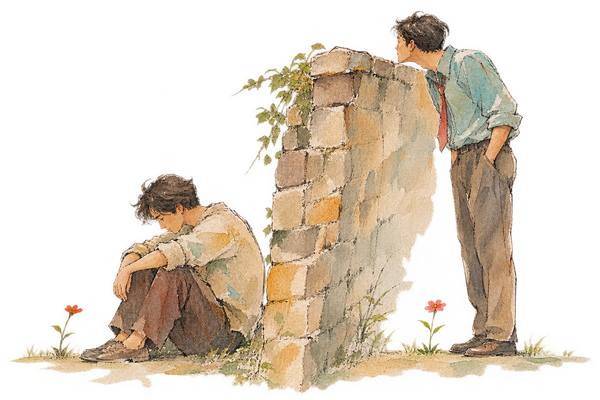
잠언에서 한 사람이 밭과 포도원 곁을 지나갑니다. 가시덤불과 엉겅퀴가 땅을 덮었고, 돌담은 무너져 있었습니다. 지나가던 사람은 포도원의 모습을 보고 깊이 생각해 교훈을 얻었습니다. (잠언 24장 30–34절)
누구든 처음에는 잘해 보고 싶지 않겠습니까? 포도원을 시작한다는 사람에게 주위에서도 “야, 용감하다. 대단하다. 열심히 해 봐라” 하고 격려했을 겁니다. 포도원 주인도 “정말 열심히 해 보고 싶습니다” 하며 좋은 열매를 기대했을 테지요.
그런데 돌담 한쪽이 무너졌는데도 그대로 두었다고 생각해 봅시다. 짐승이 들어와 밭을 온통 헤집고 다니니, 고치는 데 드는 비용은 점점 커집니다. 얼른 손을 써야 하는데 또 미루고, 이제는 밭에 나가 보기도 싫습니다. 처음 품었던 기대는 그대로인데 눈앞에는 가시덤불이 자라 있습니다.
좋은 열매를 기대하며 시작했는데, 왜 눈앞의 삶은 처음 꿈꾼 모습과 이렇게 달라졌을까요? 저는 그 질문을 품고 오늘 말씀을 다시 읽습니다. 가시덤불로 덮인 길도 처음부터 그랬던 것은 아닙니다.
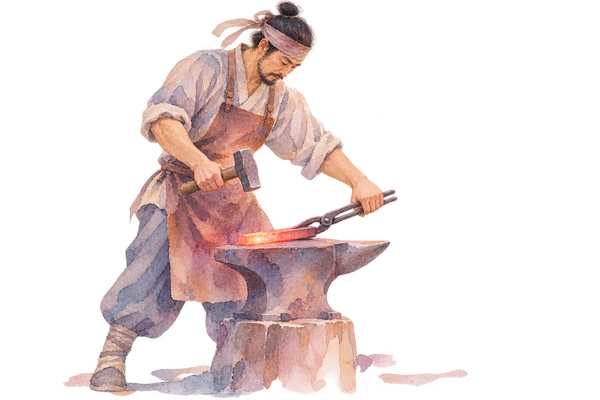
손을 대야 할 일을 한 번, 두 번 넘기다 보면 멀쩡하던 길도 조금씩 막힙니다. 반대로 잘 가꾼 잔디를 보면, 그 뒤에 풀을 뽑고 잔디를 돌본 손길이 있음을 알 수 있습니다. 확 트인 길도 처음부터 그런 것이 아니죠. 날마다 쉬지 않았던 손길의 결과입니다.
내가 만들어 낸 사자
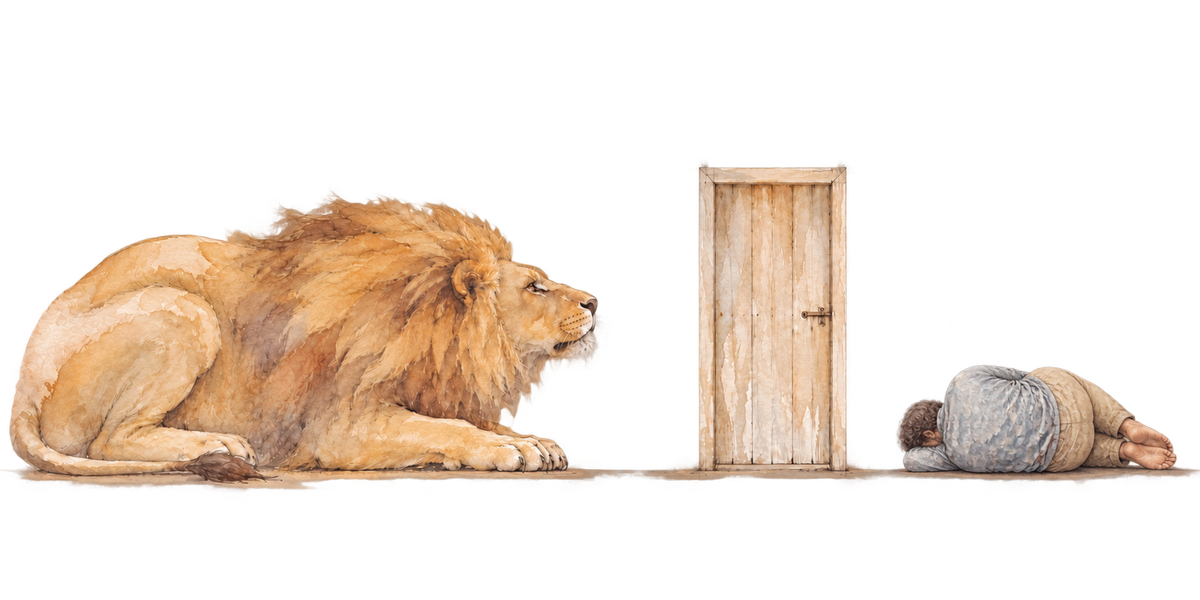
게으른 사람은 핑계 대기를 “바깥에 사자가 있다. 거리에 나가면 찢겨 죽는다” 한다.
바깥에 실제로 위험이 있다면 살피고 대비해야 합니다. 그러나 잠언 속 사람은 바깥을 살피거나 대비책을 찾기 전에 나가지 못할 이유부터 댑니다. 딱 제 얘기입니다. 해야 할 일이 마음에 들지 않을 때, 저는 확인하지 않은 위험을 내세워 일을 미루고 싶어집니다. [2]
“왜 안 나갑니까?” 하고 물으면 “위험해요. 다쳐요”라고 대답합니다. “그럼 안전 장비라도 챙겨서 나가면 되지 않습니까?” 하고 되물으면 이번에는 “그러다 찢겨 죽어요”라고 합니다. 대책을 하나씩 내놓아도, 나가지 않을 이유가 그때마다 하나씩 더 생깁니다.
“주님, 제가 게을렀습니다. 용서해 주십시오” 하고는 다시 드러눕습니다. 그러고 또 “바깥에 사자가 있어요”라고 말합니다. 이러면 말이 안 되지 않습니까? 제가 돌이켰다는 사실은, 손을 놓았던 일을 다시 돌보기 시작할 때 드러납니다.
예전 물총은 생김새도 얌전했는데, 요즘 아이들이 들고 다니는 물총은 제법 굉장합니다. 아이가 한두 친구를 보고 “엄마, 우리 반 애들은 다 갖고 다녀요”라고 하는 겁니다. 저도 교회에서 몸과 마음을 건강하게 돌보는 분들을 보고 “아, 나도 그렇게 살아야지” 하고 배울 수 있습니다. 그런데 우리는 자꾸 사자를 만들어 냅니다.
저도 한두 사람에게 들은 이야기를 두고 ‘사람들이 다 그렇게 말한다’고 생각할 때가 있습니다. 직접 본 일과 제가 짐작한 일을 가려 보지 않으면, 몇 사람에게 들은 말이 모두의 말처럼 들립니다. 그렇게 부풀린 이야기가 제가 무엇을 하고 무엇을 피할지를 정하기 시작하면, 제가 만든 사자에게 삶을 내어 주게 됩니다. [3]
엉망이 된 밭을 향해
하나님께서 주신 시간은 살아도 그만, 안 살아도 그만인 시간이 아닙니다. 같은 시간을 살면서도 누군가는 확 트인 길을 만들고, 누군가는 제 길을 가시덤불로 덮습니다. 하나님께서 맡기신 시간을 생각하면, 오늘 내 몸을 움직여 돌봐야 할 일이 보입니다.
하나님께서 주신 시간에는 오늘 내가 돌보아야 할 일이 있습니다. 게으름을 고백하고도 같은 핑계를 되풀이한다면, 우리 삶은 달라지기 어렵습니다. 회개 (repentance, 悔改)는 손을 놓았던 일을 다시 돌보는 모습으로 드러날 수 있습니다. 엉망이 된 밭을 향해 문을 열고 나설 때, 은혜의 길이 열립니다.
여러분, 마음속에 있는 사자를 처분하세요. 조심해서 살자는 말은 할 수 있습니다. 그런데 하기 싫어서 사자를 만들어 놓고 사는 모습까지 우리 자녀들이 그대로 배웁니다. 내가 만든 핑계가 나 혼자만의 일로 끝나지 않는다는 말입니다.
다른 사람이 부지런히 자기 길을 닦는 모습을 보면서, 나는 하지 않을 이유만 쌓아 둡니다. 그러면 그다음은 안 봐도 비디오 아닙니까? 결국 내 길은 다시 가시덤불로 덮입니다. 오늘 하루만이라도 하나님께서 맡기신 일 가운데 하나를 골라 손을 대고, 확 트인 길을 걸어 봅시다.
마음속 사자를 내려놓는 기도
어제 기도의 초점은 무엇이었습니까? 부드러운 말이었습니다. 오늘의 기도는 제 마음에서 제가 만들어 낸 사자를 없애 달라는 것입니다.
하나님, 제가 만들어 낸 사자를 내려놓게 해 주십시오. 하나님의 성실하심을 보며 제가 처한 형편도 똑바로 바라보게 해 주십시오. 제 마음에 자라는 잡초 같은 생각을 거두고, 오늘 맡겨 주신 일에 부지런히 손을 대게 해 주십시오.
초록
이 글은 잠언 15장 19절을 중심으로, 해야 할 일을 미루고 방치하는 습관이 어떻게 삶의 길을 막는지 살핀다. 가시덤불에 덮인 포도원과 바깥에 사자가 있다는 핑계를 나란히 놓고, 실제 위험에 대한 신중함과 두려움을 앞세운 회피를 구분한다. 끝으로 회개를 하나님께서 맡기신 일을 다시 돌보기 시작하는 실천으로 설명한다.
참고
[1] 잠언의 게으른 사람 · 잠언 15장 19절과 22장 13절은 같은 히브리어 עָצֵל을 사용합니다. · 히브리어 본문
함께 읽을 구절 · 잠언 10장 4절은 일하는 손길과 생활의 열매를, 잠언 12장 24절은 맡은 일을 주도하는 모습과 남의 부림을 받는 모습을, 잠언 13장 4절은 바라는 것과 실제로 얻는 것의 차이를 대조합니다.
[2] 회피 (avoidance, 回避) · 여기서는 어려운 일을 피할 이유를 앞세우는 행동을 가리킵니다. 사자 이야기는 그 모습을 보여 주는 잠언의 비유입니다. · 잠언 22장 13절
[3] 성급한 일반화 (hasty generalization) · 몇 사람의 말이나 행동을 집단 전체의 일로 여기는 판단입니다. 물총 예화에서 한두 아이의 행동이 ‘모두가 한다’는 말로 커집니다.
포도원과 무너진 돌담 · 잠언 24장 30–34절
영상과 타임코드
Scripture (Proverbs 15:19 · WEB) · Read the passage
The way of the sluggard is like a thorn patch, but the path of the upright is a highway.
The Path Wasn’t Always Blocked
Proverbs gives us portraits of the lazy, the foolish, and the naïve. Solomon is especially hard on the lazy. Perhaps he was so wise and accomplished that he never quite understood what it feels like to be someone like me. I’ll admit, it stings. [1]
I find it hard to read this and say it has nothing to do with me. I’m thinking of the times when I could do something and choose to put it off. Some people face circumstances that genuinely limit what they can do. What I want to ask is why I leave things undone even when I have room to act.
Passing the Vineyard
In Proverbs 24, someone walks past a field and a vineyard. Thorns and weeds have taken over, and the stone wall has fallen down. He stops, looks, and takes a lesson from what he sees. (Proverbs 24:30–34)
Who sets out to ruin a vineyard? Imagine the owner telling his neighbours what he plans to do. ‘Good for you,’ they say. ‘Give it your best.’ He probably pictured the fruit he would one day bring home.
Now imagine a section of the wall giving way. He leaves it, and animals get in and tear through the field. The longer he waits, the bigger the repair bill gets. By now, he doesn’t even want to go and look.
How did a place that once held such promise end up like this? Think of a well-kept lawn. Someone has been pulling weeds and tending it all along. An open path is the result of hands that kept tending it, day after day.
The Lion I Invented
The sluggard says, “There is a lion outside! I will be killed in the streets!”
When there’s a real danger, of course we should look carefully and take precautions. The man in Proverbs has already decided to stay inside. The lion is his reason. That sounds a lot like me. [2]
‘Why don’t you go out?’ ‘It’s dangerous. I could get hurt.’ ‘All right. Take some safety gear.’ ‘I’ll get torn to pieces!’ Every time you give him a way forward, he gives you another reason to stay put.
I can pray, ‘Lord, I’ve been lazy. Please forgive me,’ and then lie right back down. A moment later, there’s that lion outside again. That doesn’t make much sense, does it? If I’ve turned around, you ought to be able to see me tending something I used to neglect.
Remember the little water pistols kids used to carry? Some of the ones they carry now look like serious equipment. A child sees one or two friends with them and goes home saying, ‘Mum, everyone in my class has one!’ I do something similar when I hear two people say something and start telling myself, ‘Everybody says that.’ [3]
I could look at someone in church who cares for their body and mind and think, ‘I’d like to learn from them.’ Instead, I keep finding lions. Before long, a story I haven’t checked starts deciding what I will and won’t do.
Repentance Means Tending What I’ve Neglected
God has entrusted us with this day. One person clears a way through, and another lets the thorns grow. I can confess that I’ve been putting things off, but if I keep reaching for the same excuses, I’ll keep walking the same path. [4]
What’s the lion you’ve been using as an excuse? Face the dangers you can verify, and set aside the ones you’ve invented. Our children see how we respond. They see when we find a reason to stay put, and they see when we go back and put our hands to work.
I can watch someone else tend their path while I add another reason to my list. We know how that story ends, don’t we? The thorns grow back.
What’s one thing you’ve left unattended? Name it, and take one small step today. You don’t have to rebuild the whole wall this morning. Start with one stone.
A Prayer to Let Go of the Lions We Invent
Yesterday we prayed about speaking gently. Today I want to pray about the lions I’ve made for myself.
God, help me let go of the lions I’ve invented. Let me see your faithfulness and face my own circumstances honestly. Clear away the thoughts that have grown like weeds. Give me the courage to put my hands to the work you’ve entrusted to me today. Amen.
Abstract
Drawing on Proverbs 15:19, this sermon examines how repeated delay and neglect make everyday responsibilities harder to face. It brings together the overgrown vineyard and the excuse of a lion in the street to distinguish prudent caution from avoidance. It concludes by presenting repentance as a return to the work God has entrusted to us.
Further Reading
[1] Wisdom literature. Proverbs uses short contrasts and vivid images to show how choices shape daily life. The paths and the thorns are pictures of those consequences.
[2] Avoidance. In this sermon, the lion pictures a reason we reach for when we want to put off a task. The distinction is between a real danger that calls for care and an unverified danger used as an excuse.
[3] Hasty generalisation. The water-pistol story shows how one or two examples can become “everyone does it.” The same leap can turn a rumour into a reason to stay put.
[4] Repentance. Here, turning back to God becomes visible when we return to work we have neglected. The first stone is a picture of that changed direction.
Proverbs 24:30–34 · The neglected vineyard
Proverbs 10:4 · Diligence and its fruit