Ma’arakh and Ma’aneh: Planning and Action
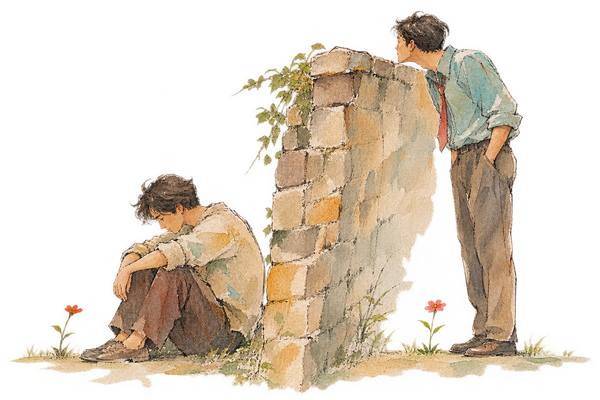
My ma’arakh stands before God’s ma’aneh. Preparing a plan and waiting for God’s answer are two stages that shape how I live and work today.

Scripture (Proverbs 16:1–3 · WEB) · Read the passage
¹ The plans of the heart belong to man, but the answer of the tongue is from the LORD.
² All the ways of a man are clean in his own eyes, but the LORD weighs the motives.
³ Commit your deeds to the LORD, and your plans shall succeed.
My Plans Wait for God’s Answer
A proverb can stand on its own, and it can also form part of a larger movement with the sayings around it.[1] The three verses we have read invite us to consider planning, motives, and trust together. I think they speak very directly to us as we begin another year.
The person who makes the plan and the one who gives the answer are different. Planning includes arranging what we intend to do through the year or the week. We place tasks in order and give them a place in time. The Hebrew word ma’arakh carries this sense of arrangement or preparation (מַעֲרָךְ, ma’arakh, arrangement).[2]
But a carefully prepared plan does not bring everything into being. Think of a proposal waiting for the final signature before work can proceed. That image helps me think about waiting for God’s answer. Behind the Korean translation’s word for ‘decision’ is the idea of an answer (מַעֲנֶה, ma’aneh, answer).[3] My ma’arakh stands before God’s ma’aneh.
We have spent years making plans and acting on them. When things go well, we say, ‘Thank you, God.’ Yet Proverbs brings us before God while the plan is still being formed. God also has purposes and a larger picture in which our lives unfold.[4]
Solomon planned and carried out great projects. Building, diplomacy, and government changed under his reign, and 1 Kings describes twelve officers supplying the royal household.[5] Even as we read the wisdom associated with this capable king, we hear that the answer comes from the Lord. I need to ask where my plan belongs within God’s larger purpose, and wait for his answer.
God Looks Beyond Results to the Direction of My Heart
My plans often look perfectly reasonable and clean to me. But the Lord sees the heart. ‘Why do you want to do this? Where do you think your life is going?’ The Hebrew wording behind this verse includes the idea of spirit and inner disposition (רוּחַ, ruach, spirit).[6]
Think of the rich man in Jesus’ parable. His land produces a great harvest, and his barns are already full. He decides to pull them down and build bigger ones. Then he tells his soul that it can rest and enjoy life.[7] He has placed his sense of security in what he has stored.
Jesus does not leave the story there. What if that very night his life is required of him? Who will have what he has prepared? God sees the soul of the person who owns all those things—the trust and purpose directing that life.
A fine education does not by itself give someone a clear heart. Wealth does not by itself set a soul on a good course. Someone with very little may live with a clear heart before God. So let’s examine the motive behind a plan as carefully as its scale.[8]
What Does It Mean to Entrust?
Verse 3 tells us to commit our work to the Lord. The word carries an image of rolling.[9] Picture a stone being rolled to close or open an entrance. I imagine a stone too heavy for me to manage, rolled toward God as I entrust my work to him.
The Psalms also speak of committing our way to the Lord. We often bring him the worry or trouble we cannot handle. But Proverbs says to commit our deeds to him. I bring the whole of what I do before God.
Then what am I supposed to do? If I have entrusted everything to God, should I sit with my hands folded? What am I to do with the life and time he has given me? Let’s take that question with us as we read James.
Read Along (James 4:13–15 · WEB) · Read the passage
¹³ Come now, you who say, “Today or tomorrow let’s go into this city and spend a year there, trade, and make a profit.”
¹⁴ Yet you don’t know what your life will be like tomorrow. For what is your life? For you are a vapor that appears for a little time and then vanishes away.
¹⁵ For you ought to say, “If the Lord wills, we will both live, and do this or that.”
Does God Will It, Too?
James begins by greeting the twelve tribes scattered abroad. It is a letter that asks how a community lives its faith in ordinary life.[10] These people with business plans are industrious. They know where they want to go, how long to stay, and what they hope to earn. We make plans like that at the beginning of a year, too.
But who am I, the person making the plan? James says that our life is like a mist that appears briefly and disappears.[11] However carefully I prepare, I cannot hold tomorrow’s life in my hands. I need to see my time through the confession, ‘If the Lord wills, we will live and do this or that.’
When I first came to Australia, I studied in Brisbane and served a young adults’ ministry. A deacon helped me with that work. We were about the same age, and he was devoted both to his business and to his faith. When something needed prayer, he shared it with me and we prayed together.
He and his wife worked hard and talked about their future. Hearing their plans lifted my own spirits. Then he died from a cancer that had been discovered suddenly. The shock was more than I could put into words.
His wife was quiet, without tears, and I stayed nearby because I was concerned for her. At the end, we stepped outside to give her time alone with her husband. After the door closed, I heard her voice: ‘What is this?’ The tears came as she looked at him for the last time.[12]
They had worked together and dreamed about what lay ahead. What is this? What does it mean to live? In that question, I hear James again. I need to remember who I am and whose gift it is that I can live and work today.
God is at work in the history of salvation, and he calls our lives into that purpose.[13] I need to see my plans within that calling. My days take place within the time he gives. What I can do today is also something he has enabled me to do.
A deeply rooted tree can look as though no wind could move it. But after fierce weather at Tamborine Mountain, I saw great trees uprooted. I thought that perhaps a tree had simply not yet met a wind stronger than it could withstand.[14] When I think about the apparent strength of my own life, I remember that God is holding me.
Think It Through Together
Your plans matter. Prepare carefully, and learn from mistakes so you don’t keep repeating them. Listen to others and discuss what you intend to do before assuming that your own view is right.[15] Consider what your plan means for the people who share life with you.
And keep this thought close: ‘If God permits.’ When something does not go as I hoped, I can ask whether I need to wait or examine the direction of my heart. Am I moving away from God? Even at a blocked path, I can seek the grace that searches and guides me.[16]
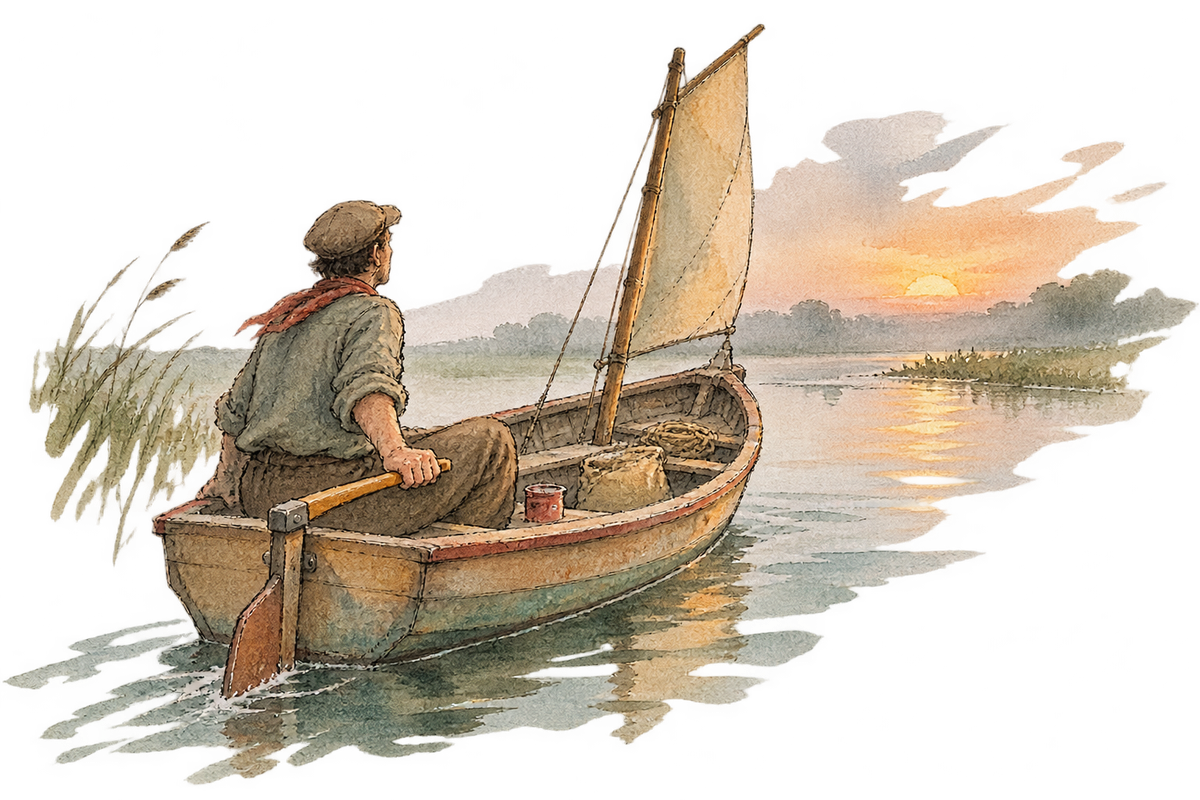
We make our plans, and the answer comes from the Lord. May that word become like a rudder, helping us keep our course through the day.[17] Let’s begin today’s work with the confession that God has given us life and enabled us to act.
A Prayer to Entrust My Plans and My Heart
God, thank you for your word today. I acknowledge that my life stands within your purpose. Give me wisdom so that my plans may turn toward it. I cannot see my own heart completely, but you see my soul; guide me on the right path.
I place before you the plans I have made for today, this month, and this year. Help me trust you beyond my own strength and connections. We are small as beans, unable to take in the greatness of your purpose, yet teach us to walk in trust. Keep us from holding to plans that cost us our souls, and help us walk with hearts that please you. We pray in Jesus’ name. Amen.
Abstract
This sermon connects planning, motives, and entrusting one’s work to God in Proverbs 16:1–3 with James 4:13–15. The parable of the rich man, the death of a fellow church member, and trees uprooted after a storm explore human finitude and dependence on God’s will. It brings careful preparation, shared deliberation, and examination of motives together in a prayer that places everyday plans before God.
Notes
[1] The literary arrangement of Proverbs. Short sayings can carry individual meanings while forming a larger theme beside neighbouring verses. This sermon reads the three verses as a movement through planning, motives, and entrusting.
[2] Planning and the arrangement of time. Ma’arakh is a noun associated with arrangement or preparation; Proverbs 16:1 uses a related plural construct form. Organising a year or a week applies that image to everyday time management.
[3] An answer and the image of authority. Ma’aneh means an answer and occurs in the phrase ‘the answer of the tongue.’ The final signature on a proposal is an illustration from organisational life used to explore human plans and God’s answer.
[4] Providence and human action. Providence concerns faith in God’s guidance of life and history. Here, planning and action are brought before God together with their outcomes.
[6] Inner disposition and examining motives. Ruach can refer to spirit or inner disposition; the verse uses a plural form. God’s weighing of the inner person invites reflection on the motives and direction beneath what seems right in one’s own eyes.
[8] Achievement and human worth. This passage examines the assumption that wealth and education also reveal the quality of a person’s inner life. It asks what the person trusts and where that life is directed.
[11] Finitude and uncertainty. James’s image of life as a mist expresses the human condition of having no complete possession of time. ‘If the Lord wills’ acknowledges that limit within the act of planning.
[12] Grief and the care of staying nearby. This scene brings together the shock of bereavement and the pastor’s presence. ‘What is this?’ carries the loss of a future the couple had imagined together.
[13] Salvation history and calling. This is a way of understanding one’s life within God’s saving purpose. The sermon places personal achievement within the relationship between calling and the time God gives.
[14] Nature and the image of strength. Uprooted trees recall a force of nature the preacher witnessed. The scene becomes an image for examining apparent security in life, without supplying a measurement or analysis of a particular storm.
[15] Shared deliberation and relational judgement. Explaining a plan and listening to others can help us examine our own judgement. Here, wisdom includes testing personal conviction with people who share our lives.
[16] Waiting and reinterpreting experience. A blocked plan becomes an occasion to ask about motives and direction and to seek meaning within faith. This is the sermon’s pastoral application of trust in God’s guidance.
[17] The rudder and life’s course. A boat’s rudder gives visible form to the guiding role of Scripture. Beans, a pumpkin, and the shepherd’s staff in the original prayer also express the trust of a small human life in a greater purpose.
본문 (잠언 16장 1–3절 · 새번역) · 전문 보기
¹ 계획은 사람이 세우지만, 결정은 주님께서 하신다.
² 사람의 행위는 자기 눈에는 모두 깨끗하게 보이나, 주님께서는 속마음을 꿰뚫어 보신다.
³ 네가 하는 일을 주님께 맡기면, 계획하는 일이 이루어질 것이다.
내가 세운 계획은 하나님의 응답을 기다립니다
잠언은 한 절씩 독립된 지혜를 전하기도 하고, 앞뒤의 말씀이 하나의 흐름을 이루기도 합니다.[1] 오늘 읽은 세 절도 각각의 말씀이면서 동시에 계획과 마음, 맡김을 함께 돌아보게 합니다. 저는 새해를 살아가는 우리에게 이 본문이 아주 직접적인 말씀이라고 생각합니다.
계획을 세우는 사람과 결정하시는 분이 다르다고 했습니다. 여기서 계획은 아무것도 없는 곳에 새 그림을 그리는 일만을 뜻하지 않습니다. 상반기에는 이것을 하고 하반기에는 저것을 하겠다고, 한 주의 시간을 배열하고 일을 정돈하는 모습도 떠올려 볼 수 있습니다. 제목의 ‘마아라크’는 이런 배열과 준비의 뜻을 지닌 말입니다 (מַעֲרָךְ, 마아라크, arrangement).[2]
그런데 계획서를 잘 정리했다고 곧바로 모든 일이 이루어지지는 않습니다. 회사에서 최종 결재권자의 서명을 받아야 집행하는 것처럼, 하나님의 응답을 기다리는 모습을 생각해 보십시오. ‘결정’으로 옮긴 말의 바탕에는 대답이라는 뜻이 있습니다 (מַעֲנֶה, 마아네, answer).[3] 내 마아라크 앞에 하나님의 마아네가 있음을 기억하는 겁니다.
우리는 오랫동안 스스로 계획하고 집행하며 살아왔습니다. 계획대로 일이 잘되면 ‘하나님, 감사합니다’ 하고 기도합니다. 그런데 잠언은 잘된 뒤의 감사에 앞서, 계획을 세우는 자리에서부터 하나님의 뜻을 바라보게 합니다. 하나님께도 이루어 가시는 뜻과 큰 그림이 있기 때문입니다.[4]
솔로몬은 많은 일을 계획하고 실행한 왕입니다. 건축과 외교, 국가 운영에 큰 변화를 가져왔고, 열왕기상은 열두 지방관을 통한 왕실 공급 체계를 전합니다.[5] 그렇게 많은 것을 설계한 왕의 지혜를 읽으면서도 우리는 ‘결정은 주님께서 하신다’는 말씀을 만납니다. 내가 그린 그림이 하나님의 큰 그림 안에서 어떤 자리에 있는지 묻고, 응답을 기다려야 합니다.
하나님께서는 성과를 넘어 내 마음의 방향을 살피십니다
내가 세운 계획은 내 눈에 당연하고 깨끗해 보일 때가 많습니다. 그런데 주님께서는 속마음을 꿰뚫어 보신다고 했습니다. ‘왜 그 일을 하려고 하느냐? 네 삶은 어디를 향하고 있느냐?’ 하고 물으시는 겁니다. ‘속마음’의 원어에는 영과 내적 태도를 가리키는 뜻이 담겨 있습니다 (רוּחַ, 루아흐, spirit).[6]
예수님께서 들려주신 부자의 이야기를 떠올려 봅시다. 밭에서 큰 소출을 얻었는데 이미 곳간도 가득합니다. ‘남는 것을 나눠야겠다’고 생각하기보다 ‘곳간을 헐고 더 크게 짓자’고 합니다. 그러고는 자기 영혼에게 이제 안심하고 즐기라고 말합니다.[7] 자신의 평안이 쌓아 둔 재산에 달려 있다고 여긴 겁니다.
주님께서는 그 이야기를 그대로 끝내지 않으셨습니다. 그날 밤 생명을 되찾아 가신다면 준비한 것이 누구의 것이 되겠느냐고 물으십니다. 하나님은 많이 가진 사람의 재산만 보시는 것이 아니라 그 사람의 영혼을 보십니다. 그가 무엇을 의지하며 어떤 목적을 향해 살아가는지 살피십니다.
많이 배웠다고 마음까지 맑아지는 것은 아닙니다. 많이 가졌다고 영혼이 좋은 방향을 향하는 것도 아닙니다. 넉넉하지 않아도 하나님 앞에 맑은 마음으로 살아가는 사람이 있습니다. 그러니 내 계획의 크기와 함께 그 계획을 세우는 동기를 돌아봅시다.[8]
맡깁니다의 뜻
3절은 내가 하는 일을 주님께 맡기라고 말합니다. ‘맡긴다’는 표현에는 굴린다는 뜻의 이미지가 담겨 있습니다.[9] 성경에서 돌을 굴려 입구를 막거나 여는 모습을 떠올려 보십시오. 내 힘으로 감당하기 어려운 무거운 돌을 하나님께 굴려 놓는 것처럼, 내 일을 주님께 맡기는 겁니다.
시편에도 자신의 길을 주님께 맡기라는 말씀이 있습니다. 우리는 근심이나 걱정, 손쓰기 어려운 일을 하나님께 맡기곤 합니다. 그런데 오늘 잠언은 ‘네가 하는 일’을 맡기라고 합니다. 어렵고 불편한 대목뿐 아니라 내가 하는 일 전체를 하나님 앞에 내어 놓는 것입니다.
그렇다면 저는 무엇을 해야 합니까? 일을 다 맡겼으니 손을 놓고 있어도 된다는 뜻일까요? 하나님께서 제게 주신 시간과 삶은 어떻게 살아야 할까요? 이 질문을 품고 야고보서의 말씀을 함께 읽어 봅시다.
함께 읽는 말씀 (야고보서 4장 13–15절 · 새번역) · 전문 보기
¹³ “오늘이나 내일 어느 도시에 가서, 일 년 동안 거기에서 지내며, 장사하여 돈을 벌겠다” 하는 사람들이여, 들으십시오.
¹⁴ 여러분은 내일 일을 알지 못합니다. 여러분의 생명이 무엇입니까? 여러분은 잠깐 나타났다가 사라져버리는 안개에 지나지 않습니다.
¹⁵ 도리어 여러분은 이렇게 말해야 할 것입니다. “주님께서 원하시면, 우리가 살 것이고, 또 이런 일이나 저런 일을 할 것이다.”
하나님도 원하십니까?
야고보서는 흩어져 있는 열두 지파에게 문안하며 시작합니다. 교회가 일상에서 믿음을 어떻게 살아갈지 돌아보게 하는 말씀입니다.[10] 여기 나오는 사람들은 게으르지 않습니다. 어느 도시에 가서 얼마 동안 머물고 장사할지 생각하는 부지런한 사람들입니다. 우리도 새해를 맞으면 그렇게 계획하지 않습니까?
그런데 그 계획을 세우는 나는 누구입니까? 야고보는 우리의 생명이 잠깐 나타났다가 사라지는 안개와 같다고 말합니다.[11] 계획을 아무리 빈틈없이 짜도 내일의 생명까지 내 손에 쥘 수는 없습니다. ‘주님께서 원하시면 우리가 살고 일할 것이다’라는 마음으로 내 시간을 바라보아야 합니다.
제가 처음 호주에 와 브리스번에서 공부하며 청년부를 섬길 때, 함께 도와주시던 집사님이 계셨습니다. 나이도 저와 비슷했고, 사업에도 신앙에도 열심이셨습니다. 기도할 일이 생기면 나누어 주셔서 함께 붙들고 기도했습니다. 아내와 함께 미래를 계획하는 이야기를 들으면 저도 마음이 밝아지곤 했습니다.
그런데 갑자기 발견된 암으로 그분이 세상을 떠나셨습니다. 말로 다 할 수 없는 충격이었습니다. 아내분이 눈물도 말도 없이 계셔서 걱정스러운 마음으로 곁에 머물렀습니다. 마지막으로 부부가 단둘이 있을 시간을 드리고자 자리를 비웠습니다.
문을 닫고 나온 뒤 들려온 말이 아직도 기억납니다. ‘이게 뭐야.’ 눈물이 터져 나오며 남편을 마지막으로 바라보던 아내의 말이었습니다.[12] 함께 힘쓰고 미래를 그려 왔는데, 이게 무엇입니까? 우리가 살아간다는 것은 무엇입니까?
그 질문 앞에서 야고보의 말씀이 다시 들립니다. 내가 누구인지 알아야 합니다. 하나님께서 살게 하시고 일하게 하시는 시간 안에 내가 있다는 것을 기억해야 합니다. 하나님께서는 구원의 역사를 이루어 가시며 우리의 삶을 부르십니다.[13] 내 계획도 그 부르심 안에서 다시 바라보아야 합니다.
튼튼하게 뿌리내린 나무를 보면 바람에도 끄떡없을 것 같습니다. 그런데 탬버린 마운틴에서 거센 바람 뒤에 큰 나무들이 뿌리째 뽑힌 모습을 보았습니다. 아직 견딜 수 없을 만큼의 바람을 만나지 않았을 수도 있다는 생각이 들었습니다.[14] 내 삶의 견고함을 돌아볼 때도 하나님께서 붙들고 계심을 기억합니다.
함께 의논하기
여러분의 계획은 중요합니다. 야무지게 준비하고, 같은 실패를 반복하지 않도록 살펴야 합니다. 나 혼자 옳다고 확신하기에 앞서 다른 사람의 말을 듣고 함께 의논해 보십시오.[15] 내 계획이 함께 살아갈 사람들에게 어떤 의미인지 돌아보는 겁니다.
그렇게 준비하면서도 ‘하나님께서 허락하시면’이라는 마음을 잊지 맙시다. 일이 뜻대로 되지 않을 때 누구를 탓하기에 앞서, 더 기다려야 하는지, 내 마음의 방향을 다시 살펴야 하는지 물어봅시다. 내 영혼이 하나님 앞에서 빗나가고 있지는 않은지 돌아보는 겁니다. 막힌 길 앞에서도 나를 살피시고 이끄시는 은혜를 구할 수 있습니다.[16]
계획은 우리가 세우지만 결정은 주님께서 하십니다. 이 말씀이 시시각각 우리 삶의 중심을 잡아 주는 배의 방향키가 되기를 바랍니다.[17] 하나님께서 살게 하셨고, 하나님께서 일하게 하셨다는 고백으로 오늘의 일을 시작합시다.
나의 계획과 마음을 맡기는 기도
하나님, 오늘도 귀한 말씀을 주셔서 감사합니다. 하나님께서 이루어 가시는 뜻 안에 제가 있음을 인정합니다. 제 계획이 그 뜻을 향하도록 지혜를 주십시오. 제 눈으로는 제 마음을 다 살피지 못하오니, 영혼을 보시는 주님께서 바른길로 이끌어 주십시오.
오늘과 한 달, 한 해의 계획을 주님 앞에 내어 놓습니다. 제 힘과 인맥만 의지하지 않고, 하나님께서 살게 하시고 일하게 하신다는 것을 겸손히 기억하게 해 주십시오. 콩알처럼 작은 저희가 다 헤아리지 못하는 크신 뜻을 신뢰하며 걷게 해 주십시오. 제 영혼을 잃어 가는 계획을 붙들지 않게 하시고 주님께서 기뻐하시는 마음으로 동행하게 해 주십시오. 예수님의 이름으로 기도드립니다. 아멘.
초록
이 설교는 잠언 16장 1–3절의 계획, 마음의 동기, 맡김을 야고보서 4장 13–15절과 연결하여 설명한다. 부자의 비유와 가까운 교우의 죽음, 폭풍 뒤 쓰러진 나무의 경험을 통해 인간의 유한성과 하나님의 뜻을 의지하는 태도를 살핀다. 성실한 준비와 공동의 의논, 동기의 성찰을 함께 강조하며 일상의 계획을 하나님께 맡기는 기도로 마무리한다.
각주
[1] 잠언의 문학적 배열 · 짧은 격언은 독립적인 뜻을 가지면서 이웃한 문장과 함께 읽을 때 하나의 주제를 형성하기도 합니다. 이 설교는 계획·동기·맡김의 흐름으로 세 절을 연결합니다.
[2] 계획과 시간의 배열 · 마아라크는 배열과 준비의 뜻을 지닌 명사이며 잠언 16장 1절에는 연결된 복수 연계형이 나옵니다. 한 해와 한 주의 일정을 짜는 모습은 이 뜻을 일상의 시간 관리로 풀어낸 설명입니다.
[3] 응답과 권한의 비유 · 마아네는 대답을 뜻하며 1절의 ‘혀의 응답’이라는 표현과 연결됩니다. 최종 결재권자의 서명은 인간의 계획과 하나님의 응답 사이의 관계를 이해하도록 돕는 조직문화의 비유입니다.
[4] 하나님의 섭리와 인간의 행위 · 하나님께서 삶과 역사를 이끄신다는 믿음 안에서 자신의 계획을 세우고 실행하는 태도입니다. 이 글에서는 계획의 결과와 과정 모두를 하나님 앞에 두는 신앙으로 표현됩니다.
[6] 속마음과 동기의 성찰 · 루아흐는 영과 내적 태도를 가리키며 2절에는 복수형이 나옵니다. 하나님께서 그 내면을 달아 보신다는 이미지는, 스스로 옳다고 여기는 판단을 넘어 행동의 동기와 방향을 살피게 합니다.
[8] 성취와 인간의 가치 · 재산과 교육 수준으로 사람의 내면까지 판단하는 기준을 성찰하는 대목입니다. 이 글은 겉으로 드러난 성취와 함께 그 사람이 무엇을 의지하고 어디를 향하는지 묻습니다.
[11] 인간의 유한성과 불확실성 · 생명을 안개에 비유하는 야고보의 말은 시간을 완전히 소유할 수 없는 인간의 조건을 드러냅니다. ‘주님께서 원하시면’이라는 고백은 그 한계를 인정하며 계획하는 태도입니다.
[12] 애도와 곁에 머무는 돌봄 · 사별 뒤의 충격과 슬픔, 그리고 곁을 지키는 목회자의 모습이 함께 나타납니다. ‘이게 뭐야’라는 말은 이 장면에서 함께 그리던 미래가 갑자기 끊어진 상실감을 담는 표현으로 읽을 수 있습니다.
[13] 구원의 역사와 삶의 부르심 · 하나님께서 이루시는 구원의 일 안에서 자신의 삶을 이해하는 신앙의 관점입니다. 이 글은 개인의 성취 계획을 하나님께서 주시는 시간과 사명의 관계 안에 놓습니다.
[14] 자연 현상과 견고함의 비유 · 폭풍 뒤 뿌리째 뽑힌 나무는 설교자가 목격한 자연의 힘을 떠올리는 장면입니다. 그 이미지는 스스로 견고하다고 여기는 삶을 성찰하는 데 사용되며, 특정 폭풍의 규모나 나무가 쓰러진 원인을 분석하는 진술로 제시되지는 않습니다.
[15] 공동의 숙고와 관계적 판단 · 다른 사람에게 계획을 설명하고 의견을 들으며 자신의 판단을 살피는 과정입니다. 이 글에서는 혼자 세운 확신을 함께 점검하는 지혜로 표현됩니다.
[16] 기다림과 의미의 재해석 · 계획이 막힐 때 자신의 동기와 방향을 다시 묻고 그 시간을 신앙 안에서 이해하려는 태도입니다. 이 대목은 하나님의 인도하심을 구하는 설교의 목회적 적용입니다.
[17] 방향키와 삶의 항로 · 배의 방향키는 매 순간 삶의 중심을 잡아 주는 말씀의 역할을 눈에 보이는 형상으로 표현합니다. 콩과 호박, 목자의 지팡이처럼 기도 속에 등장하는 이미지도 작은 인간이 큰 뜻을 의지하는 마음을 드러냅니다.