Let Go of the Scorn That Shuts Out Learning
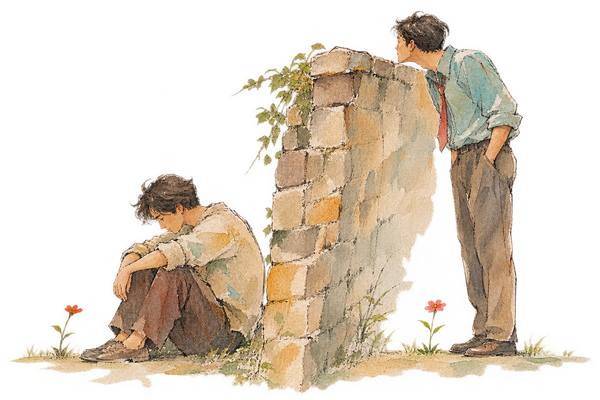
Even with a good teacher right in front of me, a closed heart can miss the opportunity. Change begins with the courage to say, ‘Could you teach me, too?’

본문 (잠언 14장 6–9절 · 새번역) · 전문 보기
⁶ 거만한 사람은 지혜를 구해도 얻지 못하지만, 명철한 사람은 쉽게 지식을 얻는다.
⁷ 미련한 사람의 앞을 떠나라. 네가 그의 말에서 지식을 배우지 못할 것이다.
⁸ 슬기로운 사람의 지혜는 자기가 가는 길을 깨닫게 하지만, 미련한 사람의 어리석음은 자기를 속인다.
⁹ 어리석은 사람은 속죄제사를 우습게 여기지만, 정직한 사람은 하나님의 은총을 누린다.
지혜가 가까이 있어도 거만한 마음은 배우지 못합니다
우리가 읽은 짧은 네 절에는 여러 모습의 사람이 등장합니다. 거만한 사람, 명철한 사람, 미련한 사람, 슬기로운 사람, 어리석은 사람입니다. 잠언은 사람을 ‘죄인’이라는 한마디로 뭉뚱그리기에 앞서, 그 사람이 어떻게 생각하고 살아가는지 자세히 보여 줍니다.[1] 그 마음의 방향에 따라 걸어가는 길도 달라집니다.
6절의 거만한 사람은 지혜를 구해도 얻지 못합니다. 하나님께서 좋은 스승을 만날 기회를 주지 않으셨기 때문일까요? 천만에요. 살면서 좋은 스승도 만나고, 좋은 책도 읽고, 좋은 설교와 말씀도 들었을 수 있습니다. 그런데도 배우지 못합니다.
문제는 기회의 부족보다 배움을 받아들이는 마음에 있습니다.[2] ‘나는 뛰어난 사람을 만나지 못해 이렇게 됐다’고 신세를 한탄하기 전에, 내 마음이 배울 수 있는 상태인지 살펴야 합니다. 내 삶과 영혼이 배움을 받아들이지 못하는 구조가 되었다면 얼마나 두려운 일입니까? 가르침이 내 앞에 있어도 아무것도 얻지 못할 수 있습니다.
설교 제목의 ‘루츠’는 조롱한다는 뜻을 지닌 히브리어 동사와 연결됩니다 (לוּץ, 루츠, scoff). 6절에서 거만한 사람을 가리키는 표현은 그 어근과 연결된 ‘조롱하는 사람’입니다.[3] 누군가 ‘이렇게 해 보십시오’ 하고 말하면 ‘너나 그렇게 해라’ 하고 받아칩니다. ‘그렇게 잘 알면 당신은 왜 그렇게 삽니까?’ 하며 경험자의 말을 우습게 여깁니다. 그 태도에서는 배움이 자라기 어렵습니다.
남을 우습게 여기는 마음은 나를 외롭게 만듭니다
이 마음이 더 슬픈 이유를 생각해 봅시다. 시편 1편은 복 있는 사람이 오만한 자의 자리에 앉지 않는다고 말합니다. 지혜는 조롱이 삶을 지배하는 자리를 경계하도록 가르칩니다.[4] 정작 지혜가 필요한 사람이 스스로 귀를 닫고, 주위 사람들도 그에게 말을 건네기 어려워지는 겁니다.
‘저 사람에게는 이야기해 봐야 소용없어’라는 말을 듣는다면 얼마나 아픈 일입니까? 저는 우리가 그런 외로움 속에 머물지 않기를 바랍니다. 누군가의 가르침을 비웃기 전에 그 말에 내가 배울 것이 없는지 돌아봅시다. 내게 아직 배울 것이 있다는 경외감이 살아 있어야 합니다.[5] 잠언은 작은 개미에게도 가서 배우라고 하지 않습니까?
겸손한 사람은 작은 일에서도 배울 길을 찾습니다
명철한 사람은 쉽게 지식을 얻는다고 합니다. 좋은 스승과 위대한 책을 만나는 것이 귀하지만, 겸손한 사람은 평범한 만남에서도 배웁니다. ‘나보다 못한 사람에게 무엇을 배우겠어’ 하는 마음을 내려놓기 때문입니다. 누구에게서든 배울 것이 있다고 생각하면, 전에 보이지 않던 가르침이 눈에 들어옵니다.
나이가 한 해씩 더해질 때 저도 걱정하는 것이 있습니다. 익숙한 세계에서는 자꾸 가르치려 들면서, 정작 내가 배워야 할 것은 배우지 않으려는 마음입니다. 거창한 철학이나 신학 이야기만 하는 것이 아닙니다. 사소한 기계의 작동법도 배우려 하지 않다가, 시간이 흐르면 ‘나는 못 해’라는 말이 되어 버립니다.
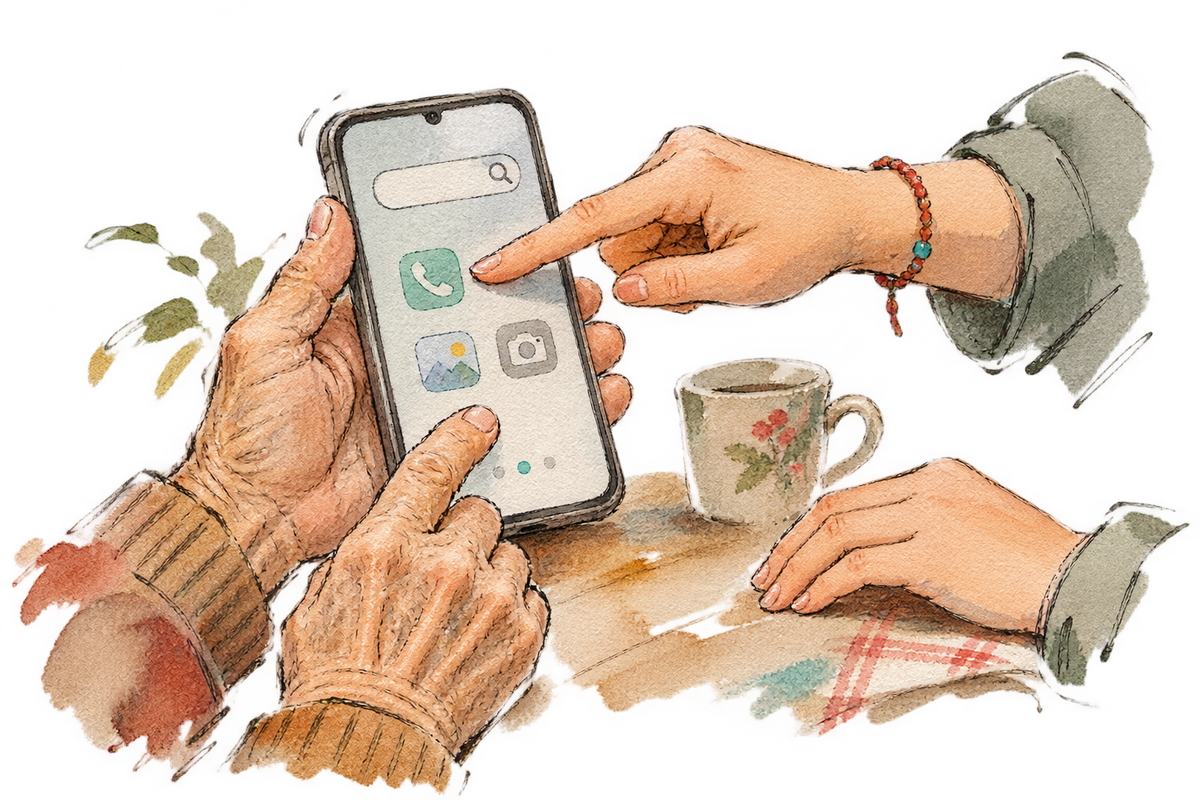
한국의 한 시니어 교육 영상을 본 적이 있습니다. 스마트폰을 쓰는 법과 생활에 필요한 민원을 처리하는 법을 배우는 강의였습니다. 자녀와 따로 살면서 스스로 해결해야 할 일이 많아진 분들이 자리를 가득 채웠습니다. 손을 번쩍 들고 ‘이건 어떻게 합니까?’ 하고 물었습니다. 생활의 작은 기능을 배우는 일이 자기 삶을 돌보는 힘이 되는 겁니다.[6]
이민 생활에서도 배워야 할 것 가운데 하나가 언어입니다. 호주 사람처럼 유창하게 말하자는 뜻만은 아닙니다. 내가 살아갈 세상에 적응하고 싶다는 마음으로 배우는 것입니다.[7] 오래전 영어를 배우도록 도와주려는 분들이 있었는데, ‘여기까지 와서 뭘 또 배우느냐’는 반응에 그 기회가 무산된 적이 있습니다. 좋은 기회가 와도 마음이 닫혀 있으면 배움으로 이어지지 못합니다.
잠언이 묻는 것은 대단한 지혜를 가진 사람을 만났느냐만이 아닙니다. 지금 내 마음이 어느 쪽을 향하고 있느냐는 것입니다. 슬기로운 사람은 자기가 가는 길을 깨닫지만, 미련한 사람의 어리석음은 자신을 속입니다.[8] 익숙한 말로 나를 지키는 동안 정말 필요한 배움에서 멀어지고 있지는 않은지 살펴봅시다.
하나님을 만나는 자리를 귀하게 여길 때 은총을 누립니다
9절에서도 우습게 여기는 태도가 나옵니다. 어리석은 사람은 속죄제사를 우습게 여깁니다.[9] ‘그런다고 뭐가 달라지느냐’, ‘제사장들이 자기 배를 채우려는 것 아니냐’고 말하는 모습을 떠올려 보십시오. 하나님을 만나는 자리와 그 앞에 서는 내 마음을 가볍게 여기는 겁니다.
코로나 이후 온라인으로 예배드리는 일이 익숙해졌습니다. 온라인으로도 하나님을 만나고 은혜를 받는 분들이 많습니다. 그런데 예배하는 동안 잠깐 화면을 끄고 다른 일을 하거나, 밥을 먹고 전화를 받다 다시 화면을 보는 일도 생깁니다. 누군가를 직접 만나는 자리에서도 그렇게 하겠습니까? 하나님과 만나는 시간에 내가 어떤 마음으로 참여하는지 돌아봅시다.[10]
정직한 사람은 하나님의 은총을 누린다고 했습니다. 여기서 정직함은 바르고 곧게 살아가는 태도를 떠올리게 합니다 (יָשָׁר, 야샤르, upright). 하나님을 만난다는 마음으로 그 앞에 서는 사람은 예배의 자리를 귀하게 여깁니다. 저는 우리가 그렇게 하나님께서 베푸시는 은총을 누리기를 바랍니다.[11]
오늘 한 사람에게 나도 가르쳐 달라고 말해 봅시다
사랑하는 성도 여러분, 작은 것을 우습게 여기지 마십시오. 나보다 어린 사람에게도 물어보십시오. ‘어쩌면 그렇게 잘하니?’ 하고 감탄하는 데서 한 걸음 더 나아가 ‘나도 좀 가르쳐 줘’라고 말해 보십시오. 그 작은 배움이 우리가 살아가는 시간의 밀도를 바꾸어 놓을 수 있습니다.
오늘은 이 마음을 놓고 기도합시다. ‘하나님, 제가 우습게 여기는 마음을 내려놓게 해 주십시오. 제가 살아가는 세상을 향해 배우려는 마음을 갖게 해 주십시오.’ 하나님 앞에서, 그리고 이웃 앞에서 겸손하게 배우는 하루가 되기를 바랍니다.
배울 마음과 은총을 구하는 기도
살아 계신 하나님, 감사합니다. 주께서 주시는 하루를 지혜롭게 살아가고 싶어 새벽의 예배에 나왔습니다. 예배 자리에 있어도 교만하고 우습게 여기는 마음으로는 아무것도 얻지 못할 수 있음을 깨닫습니다. 우리에게 명철과 겸손을 주시고, 주님을 경외하는 마음으로 시간을 살아가게 해 주십시오.
내가 한 일은 대단하게 여기면서 다른 사람이 한 일은 별것 아니라고 여기는 마음을 거두어 주십시오. 조롱하는 마음 때문에 외로움에 갇히지 않게 해 주십시오. 온갖 만남과 작은 일에서 배우고 깨닫게 하시고, 깨달은 말씀이 등불처럼 우리의 삶을 비추게 해 주십시오.
예수 그리스도께서는 조롱 가운데 십자가를 지셨습니다. 십자가의 복음을 전하는 자리에서도 그 메시지가 조롱받곤 합니다.[12] 믿는 우리가 먼저 겸손히 주님 앞에 서게 하시고, 조롱을 감당하신 주님을 바라보게 해 주십시오. 어리석은 마음을 버리고 주께서 여시는 길을 걷게 해 주십시오.
하나님, 오늘도 빈 그릇을 주님 앞에 내밉니다. 우리의 밥그릇에 주님의 자비를 채워 주시고, 일용할 양식으로 오늘을 살게 해 주십시오.[13] 병과 연약함, 나이 들어가는 몸의 어려움으로 고생하는 성도들을 붙들어 주십시오. 그 자리에서도 함께하시는 주님을 의지하고 은총을 누리도록 돌보아 주십시오.[14] 예수님의 이름으로 기도드립니다. 아멘.
초록
이 설교는 잠언 14장 6–9절을 중심으로, 조롱과 거만이 배움과 관계를 닫는 과정을 살핀다. 시니어의 생활기술 학습과 이민자의 언어 배움, 온라인 예배의 사례를 통해 마음의 태도가 일상과 신앙에 미치는 의미를 설명한다. 겸손하게 배우고 하나님을 경외하는 자세를 오늘의 작은 실천과 기도로 연결한다.
각주
[1] 지혜문학과 인물의 대조 · 잠언은 서로 다른 태도와 그 결과를 짧은 문장으로 대조하여 삶의 판단을 돕습니다. 여기 등장하는 인물들은 독자가 자신의 길을 성찰하게 하는 신앙적·문학적 거울로 읽을 수 있습니다.
[2] 지적 겸손 (intellectual humility, 知的謙遜) · 내가 아는 것에 한계가 있으며 다른 사람에게 배울 수 있음을 인정하는 태도입니다. 이 글에서는 스승이나 책을 접하는 기회와 그 가르침을 받아들이는 마음을 연결합니다.
[3] 조롱과 경멸 · 상대를 배울 가치가 없는 사람으로 낮추는 말과 태도를 가리킵니다. 설교의 ‘병’이라는 표현은 배움과 관계가 막히는 모습을 강조하는 비유이며, 이 글은 그 비유를 마음의 태도로 풀어 씁니다.
[6] 평생학습과 디지털 문해력 (digital literacy) · 삶의 여러 단계에서 새로운 지식과 디지털 도구의 사용법을 배우는 일을 뜻합니다. 스마트폰과 생활 민원 예화는 배움이 일상의 자립과 참여를 돕는다는 의미로 읽을 수 있습니다.
[7] 이주와 문화 적응 · 새로운 사회의 언어와 생활 방식을 알아가며 관계와 참여의 길을 넓히는 과정입니다. 이 글의 언어 학습은 그 사회에서 살아가려는 의지를 드러내는 장면으로 제시됩니다.
[8] 자기기만 (self-deception, 自己欺瞞) · 자신에게 중요한 사실이나 한계를 외면한 채 스스로를 납득시키는 모습을 가리킵니다. 이 글은 잠언 14장 8절을, 배우지 않는 이유를 합리화하고 있지는 않은지 묻는 말씀으로 적용합니다.
[9] 속죄제사와 예배의 적용 · 새번역의 ‘속죄제사’는 히브리어 אָשָׁם(아샴)과 관련되며, 죄책이나 배상 제물 등으로 옮겨지는 표현입니다. 설교는 이 구절을 하나님 앞에서 책임을 인정하는 태도와 예배를 귀하게 여기는 마음으로 확장하여 적용합니다.
[10] 예배의 참여와 주의 · 예배를 하나님과 만나는 시간으로 받아들이고, 그 만남에 마음을 기울이는 태도입니다. 온라인 예배의 예화는 디지털 환경에서 주의가 나뉘는 상황을 통해 참여자의 마음을 돌아보게 합니다.
[11] 정직과 은총 · 이 글에서 정직은 바른 태도로 하나님 앞에 서는 삶을, 은총은 하나님께서 베푸시는 호의를 가리킵니다. 잠언 14장 9절의 대조를 예배자의 태도와 연결한 설교의 해석입니다.
[13] 빈 그릇과 일용할 양식의 이미지 · 빈 그릇은 매일 새롭게 자비를 구하는 마음을 눈에 보이는 형상으로 표현합니다. 밥그릇과 양식은 일상적인 사물을 통해 의존과 은총을 드러내는 문학적·시각적 이미지입니다.
[14] 목회적 돌봄 · 연약함 속의 사람을 공동체가 기억하고 함께 기도하며 지지하는 실천입니다. 마지막 기도는 질병과 노화의 어려움을 겪는 성도들이 하나님과 공동체의 돌봄 속에 있기를 구합니다.
영상과 타임코드
Scripture (Proverbs 14:6–9 · WEB) · Read the passage
⁶ A scoffer seeks wisdom, and doesn’t find it, but knowledge comes easily to a discerning person.
⁷ Stay away from a foolish man, for you won’t find knowledge on his lips.
⁸ The wisdom of the prudent is to think about his way, but the folly of fools is deceit.
⁹ Fools mock at making atonement for sins, but among the upright there is good will.
Pride Can Keep Us from Learning Even When Wisdom Is Close
These four short verses introduce several kinds of people: the scoffer, the discerning, the foolish, and the prudent. Proverbs looks closely at how people think and live.[1] It gives us more than a single label for everything that goes wrong in us. The direction of the heart shapes the path a person takes.
Verse 6 says that a scoffer looks for wisdom and doesn’t find it. Is that because God never gave this person the chance to meet a good teacher? Certainly not. They may have met fine teachers, read good books, and heard thoughtful sermons. And still, they learn nothing.
Before blaming a lack of opportunity, I need to look at my willingness to receive what is offered.[2] It is easy to say, ‘I never had anyone worthwhile to teach me.’ But what if my own heart has become closed to learning? How frightening to have good teaching right in front of me and come away with nothing.
The Korean sermon title uses luts, a Hebrew verb connected with scoffing (לוּץ, luts, scoff). The word describing the person in verse 6 belongs to that same word family.[3] Someone says, ‘You might try doing it this way,’ and the answer comes back, ‘You do it, then.’ Or, ‘If you know so much, why isn’t your own life better?’ A person’s experience is dismissed before we have listened.
Looking Down on Others Can Leave Me Alone
There is something especially sad about this posture. Psalm 1 describes a blessed person as one who does not sit in the company of scoffers. Wisdom warns us about places where scorn sets the tone.[4] The person who needs wisdom closes their own ears, while others find it harder and harder to speak to them.
How painful to hear, ‘There’s no point trying to tell that person anything.’ I don’t want us to remain in that kind of loneliness. Before laughing off someone’s advice, let’s ask whether there is something here we can learn. We need a sense of reverence, an awareness that wisdom reaches beyond what we already know.[5] Proverbs even sends us to learn from an ant.
A Humble Person Finds Something to Learn in Small Things
Knowledge comes easily to the discerning person, Proverbs says. Good teachers and great books are precious, but a humble person can learn in an ordinary encounter as well. We put aside the thought, ‘What could someone beneath me possibly teach me?’ When we expect that others may have something to offer, we begin to notice what we used to miss.
As another year passes, there is something I worry about in myself. In the world I already know, I may be eager to teach everyone else while resisting what I need to learn. I’m talking about something as ordinary as learning how a small device works. Leave it long enough, and ‘I haven’t learned’ becomes ‘I can’t do that.’
I once watched a video of a class for older adults in Korea. They were learning to use smartphones and handle everyday administrative tasks. The room was full of people who needed to manage more things for themselves while living separately from their children. Hands went up: ‘How do I do this?’ Learning one small skill could help them take care of their own daily lives.[6]
Language is one of the things we need to learn when we make a home in another country. Fluency like a local Australian is only part of the picture. Learning can express a desire to participate in the place where I now live.[7] Years ago, people offered to help with English, but the opportunity fell through when the response was, ‘After coming all this way, why should we have to learn anything else?’ Even a good opportunity can pass us by when our hearts are closed.
Proverbs asks us to consider the direction of our hearts as well as the teachers we have met. The prudent person understands their way, while foolishness can deceive the fool.[8] I need to ask whether the familiar reasons I give are protecting me from something I truly need to learn. What am I overlooking while I reassure myself that I’m doing fine?
We Receive Grace as We Honour the Place Where We Meet God
Verse 9 returns to the habit of treating things lightly. The fool scoffs at the offering for guilt.[9] Imagine the response: ‘What difference does that make?’ or ‘The priests are only looking after themselves.’ The place of meeting God, and the heart I bring to that meeting, are dismissed.
Online worship has become familiar since the pandemic. Many people meet God and receive grace through it. Yet we can also turn off the screen for a while, eat a meal, answer a call, and come back when we feel like it. Would we treat a face-to-face meeting that way? Let’s consider how we participate in this time of meeting God.[10]
The Korean translation read today says that the upright enjoy God’s favour. Uprightness suggests a life directed along a straight path (יָשָׁר, yashar, upright). When I come with the awareness that I am meeting God, I begin to value the time and the encounter. I pray that we will receive the grace God gives in that meeting.[11]
Ask One Person to Teach You Something Today
Dear friends, don’t dismiss the small things. Ask someone younger than you. Go beyond saying, ‘You’re so good at that,’ and say, ‘Could you teach me, too?’ A small lesson can change the way we inhabit the time we have been given.
Let’s pray about this today. ‘God, help me let go of the habit of looking down on things. Give me a heart that wants to learn from the world where you have placed me.’ May this be a day of learning humbly before God and alongside our neighbours.
A Prayer for a Teachable Heart and Daily Grace
Living God, thank you. We have come to worship because we want to live this day with wisdom. We recognise that we can be present in worship and still receive little when pride closes our hearts. Give us discernment and humility, and help us live our days with reverence for you.
Take away the heart that makes much of our own work while dismissing what others have done. Keep us from becoming trapped in the loneliness that scorn can bring. Help us learn through ordinary encounters and small tasks. May what we understand become a lamp that lights our lives.
Jesus Christ carried the cross amid ridicule. The message of the cross is still mocked when it is shared.[12] Help us first to come humbly before you and to look at the Lord who bore that scorn. Turn us from foolishness and lead us along the way you open.
God, we hold out an empty bowl to you again today. Fill it with your mercy and give us our daily bread.[13] Hold those who struggle with illness, frailty, and the difficulties of growing older. Help them trust your presence and receive your care even there.[14] We pray in Jesus’ name. Amen.
Abstract
This sermon explores Proverbs 14:6–9, examining how scorn and pride close people off from learning and relationships. Examples of older adults learning everyday skills, migrants learning a language, and participation in online worship show how the direction of the heart shapes daily life and faith. The sermon connects humble learning and reverence for God with a small action and prayer for the present day.
Notes
[1] Wisdom literature and contrasting characters. Proverbs uses concise contrasts between attitudes and their consequences to develop judgement. Its characters can act as literary and spiritual mirrors in which readers examine their own lives.
[2] Intellectual humility. This means recognising the limits of what we know and remaining willing to learn from others. Here, access to a teacher or a book is considered alongside a willingness to receive instruction.
[3] Scorn and contempt. These attitudes dismiss another person as having little worth or nothing to teach us. The original sermon’s language of ‘illness’ is a metaphor for a posture that closes off learning and relationships.
[6] Lifelong learning and digital literacy. These concern learning new knowledge and ways of using digital tools through different stages of life. The smartphone example connects learning with independence and participation in daily activities.
[7] Migration and cultural adaptation. Learning a society’s language and everyday practices can widen opportunities for relationship and participation. The sermon treats language learning as an expression of willingness to engage with one’s new home.
[8] Self-deception. This describes overlooking important facts or limitations while maintaining a reassuring account of oneself. The sermon applies Proverbs 14:8 by asking whether our reasons for avoiding learning are becoming excuses.
[9] The guilt offering and its application to worship. The Hebrew asham (אָשָׁם) can refer to guilt or a reparation offering. The Korean translation uses an offering term; the sermon extends this to acknowledging responsibility before God and approaching worship with care.
[10] Participation and attention in worship. This means approaching worship as an encounter with God and giving attention to that encounter. The online example uses divided attention in a digital setting to invite reflection on the worshipper’s heart.
[11] Uprightness and favour. Here, uprightness refers to standing before God with an honest orientation of life, and favour to the kindness God gives. This is the preacher’s application of Proverbs 14:9 to the attitude of a worshipper.
[13] The empty bowl and daily bread. An empty bowl gives visible form to a renewed request for mercy. The ordinary images of food and a bowl express dependence and grace in both literary and visual terms.
[14] Pastoral care. This is the community’s practice of remembering, praying with, and supporting people in vulnerability. The closing prayer asks that those facing illness and ageing experience God’s presence and care.